Author Koh Lin ◦
Over the years, I have seen many insects. Some were rescued from dog water bowls and swiming pools, some in shops and shopping malls, others from pedestrian walkways and roads. Sometimes just the slightest ovement would catch my attention. Many insects I have moved to a safer location, especially those on public walkways.
Whilst insects go through different phases from egg / larvae to the adult form, they have short lives. I have been priviledged to document some of their lives
There have been many chance encounters and observations, in my day-to-day activities… the insects were doing what insects do… following are some of my favourite encounters…
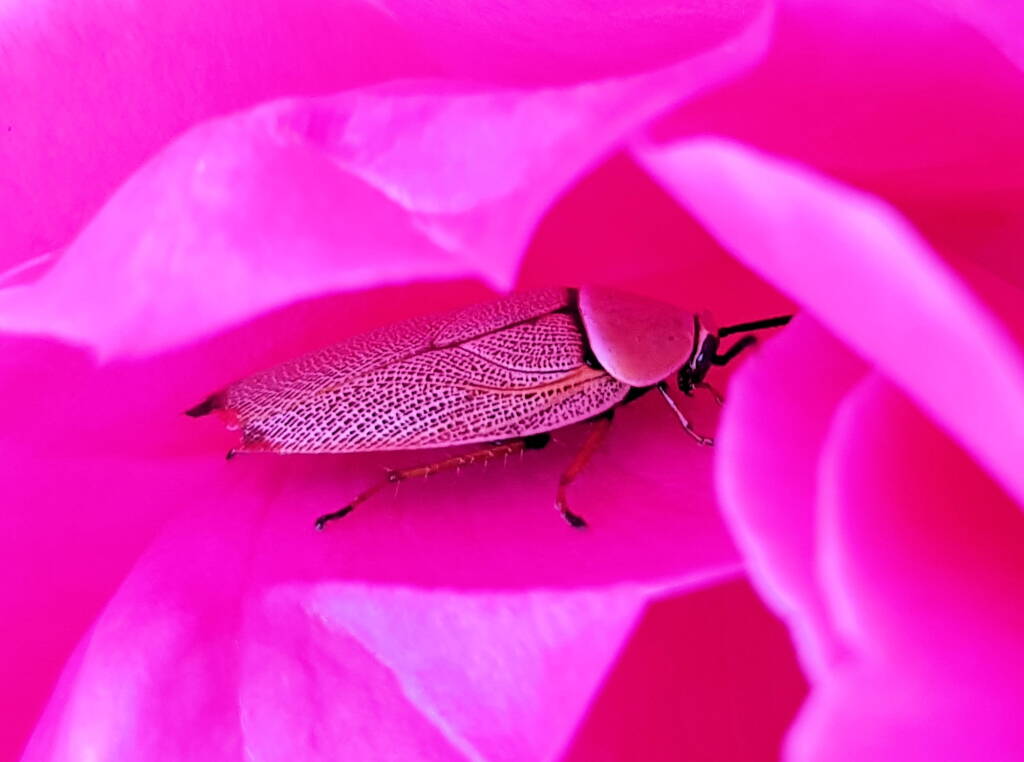
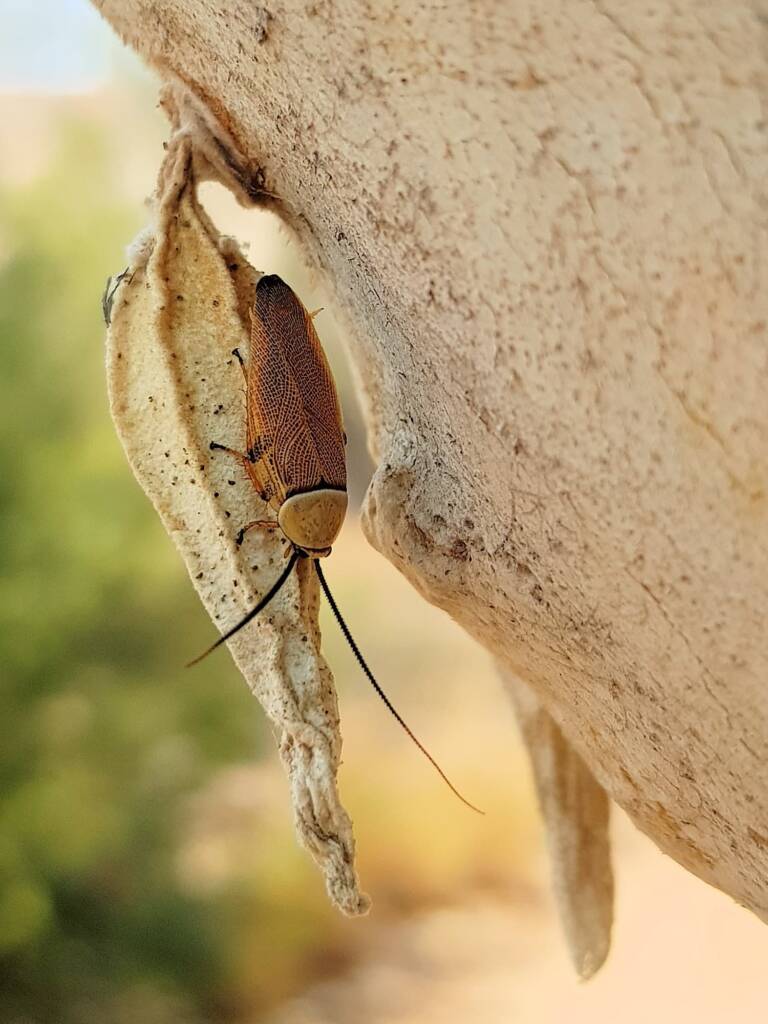
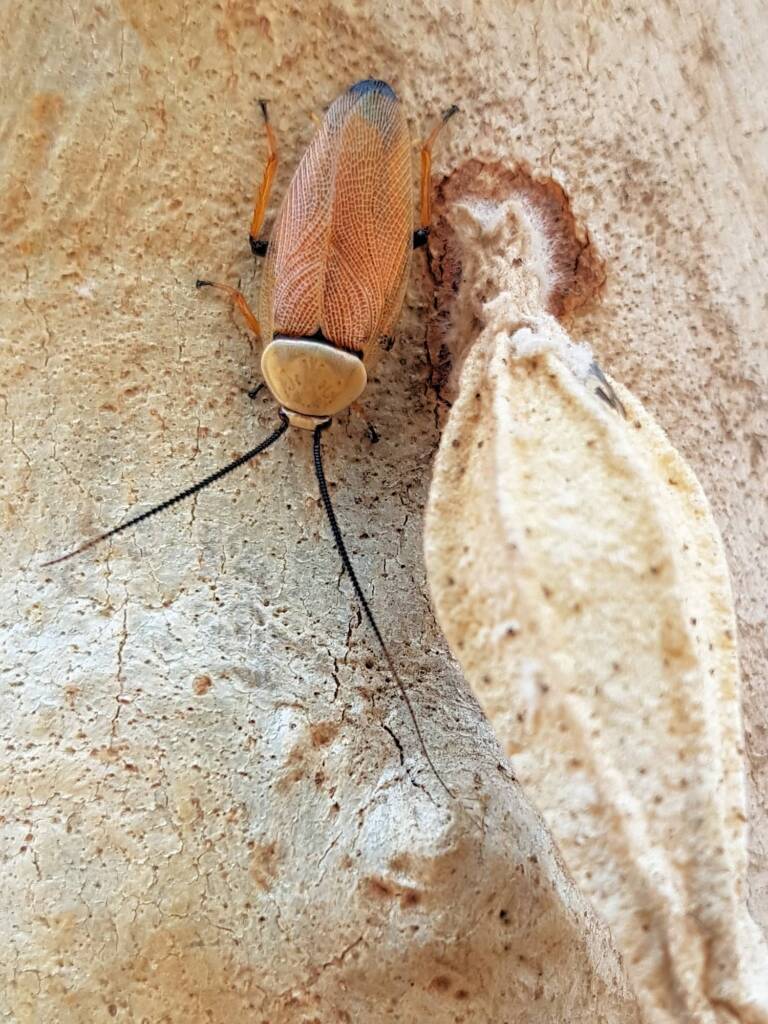
Ellipsidion humarale is a common bush cockroach in Central Australia. They can be found in the urban and garden settings, as well as the bush and desert parks. It was interesting to observe this bush cockroach checking out the pupal case of the Ribbed Case Moth (Hyalarcta nigrescens) in the Alice Springs Desert Park.
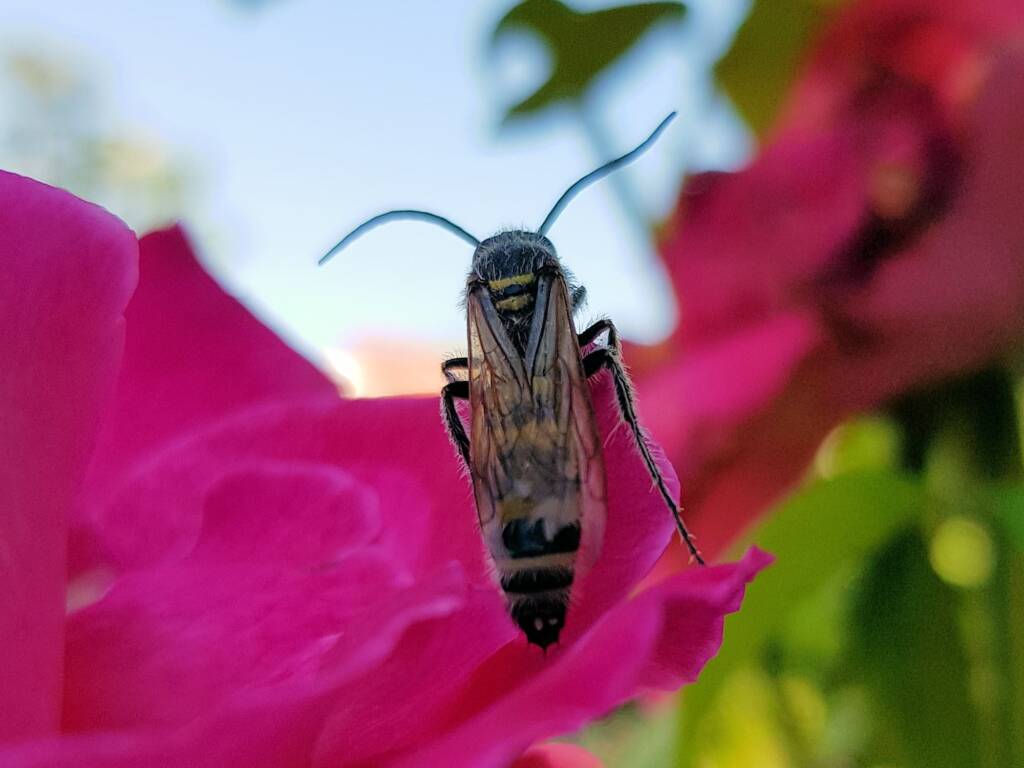
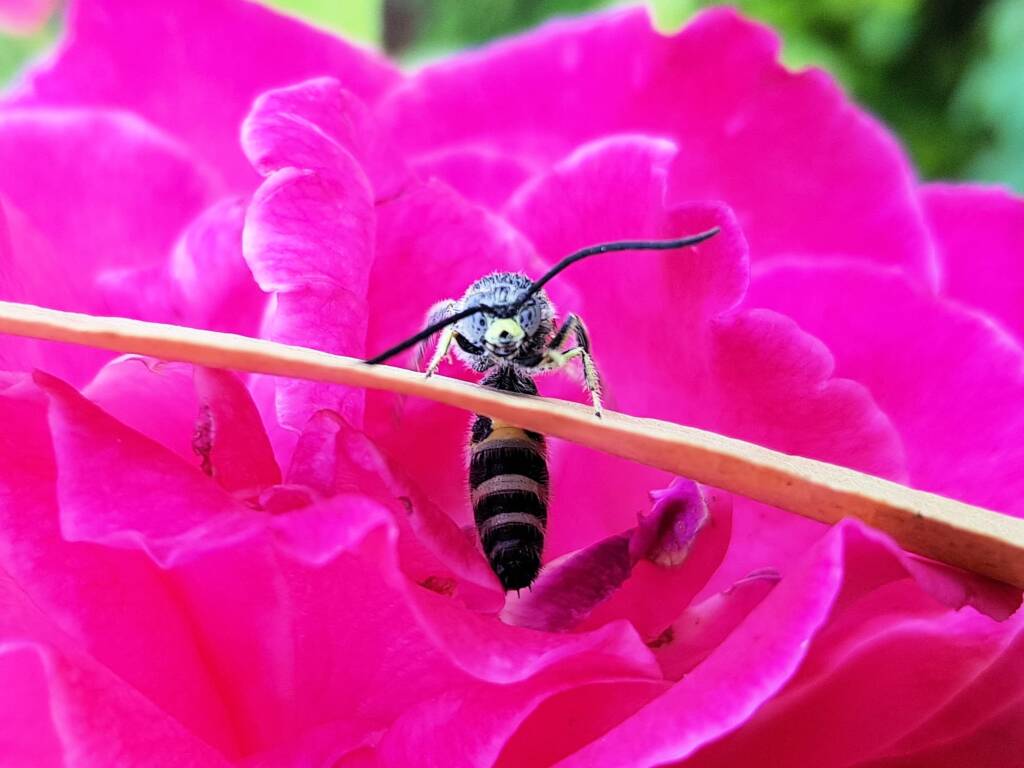
There are thousands of interesting native wasp species in Australia. The following wasp, is commonly known as the Yellow Hairy Flower Wasp (Radumeris tasmaniensis). It was trapped on the surface tension of the water in a swimming pool, before we rescued it and moved it to a rose bush nearby, where it posed, whilst drying off.
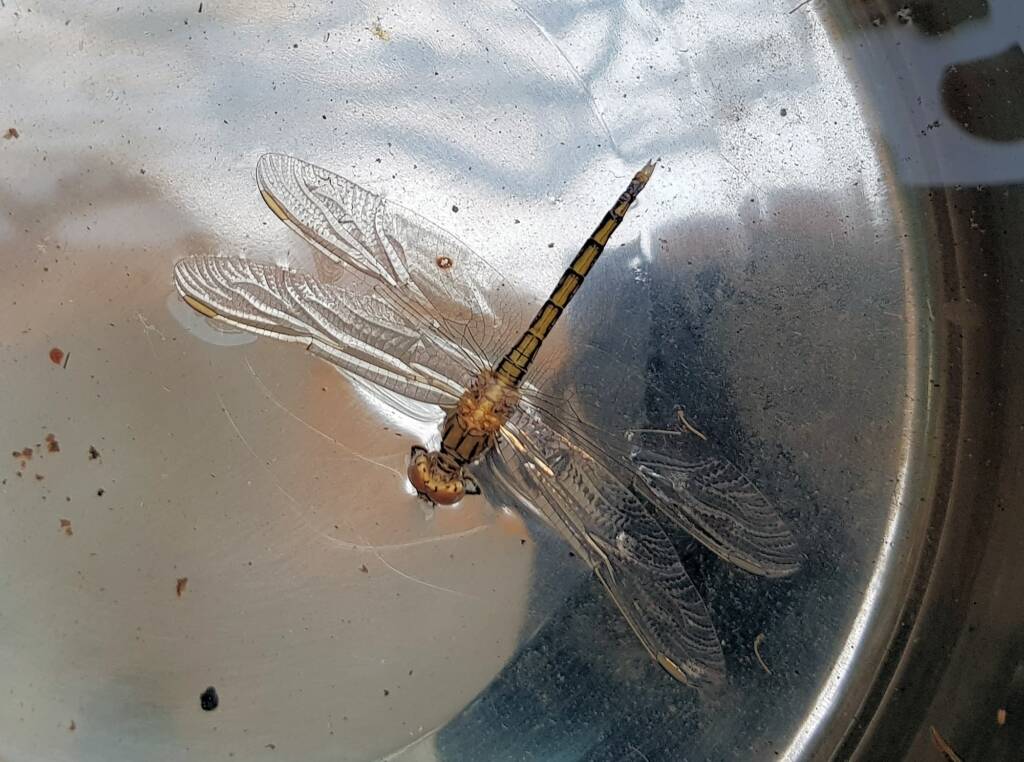
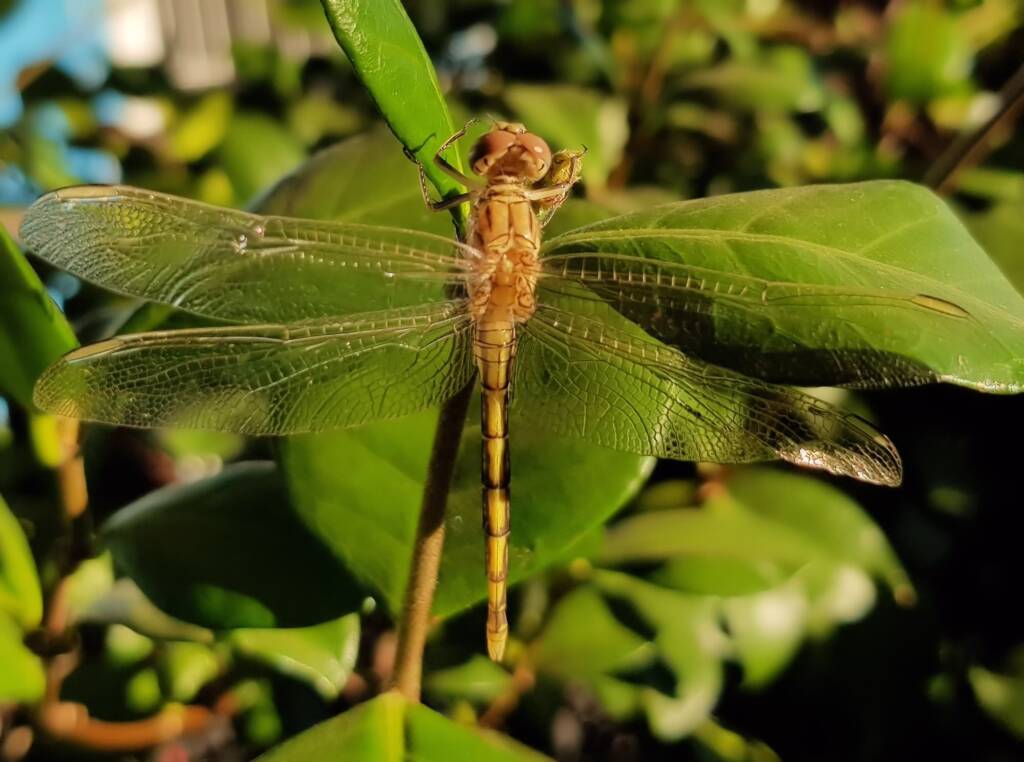
This dragonfly (Orthetrum caledonicum) was trapped by the water surface tension in a dog drinking bowl. The golden colour of the dragonfly drew my attention to its predicament, requiring its rescue. I relocated the dragonfly to a nearby hedge, where it rested before flying off.
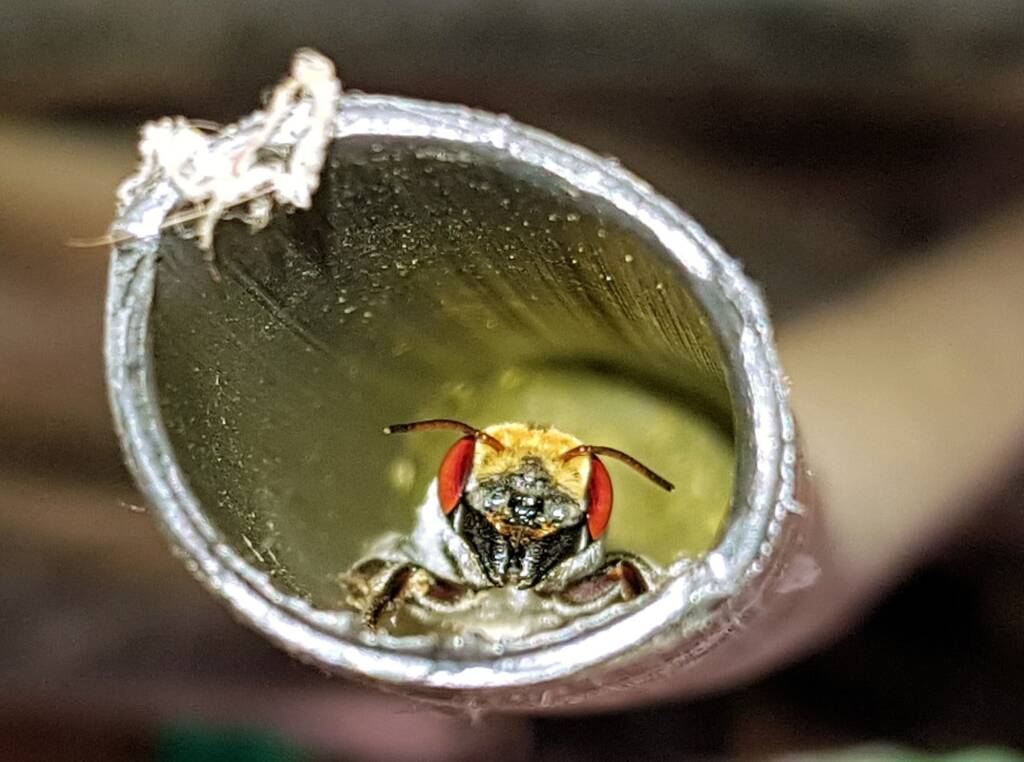
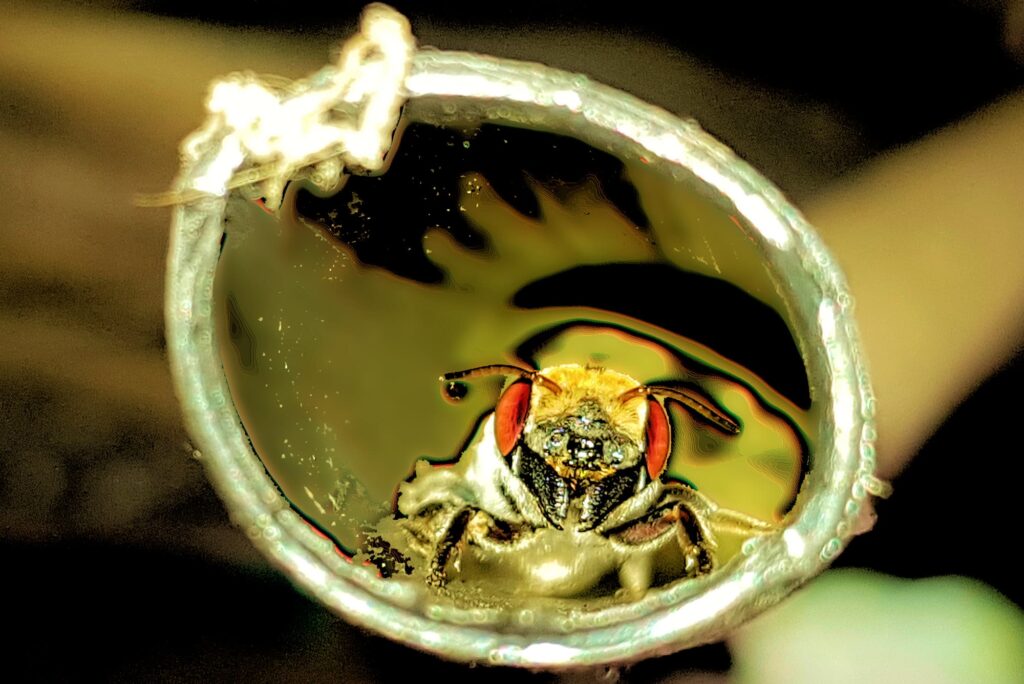
This is one of my favourite native bees, the Golden-browed Resin Bee (Megachile aurifrons). I have been lucky to observe it at home, where it was nesting in one of my unused garden irrigation pipe, that was sitting on top of the cupboard in the backyard. It was interesting to see the Golden-browed Resin Bee returning several times as it capped the nesting cell.
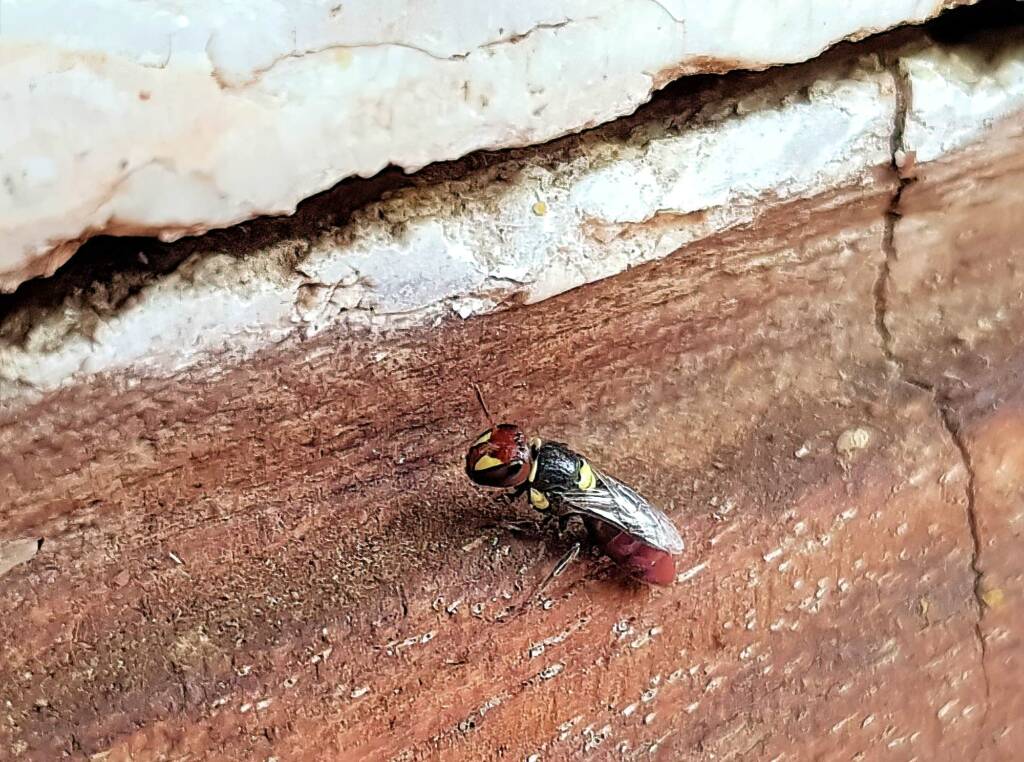
The Red-headed Masked Bee (Hylaeus ruficeps) was nesting in the cracks of the wooden bench on my porch at our front door. It actually is a very small native bee (about 6 mm in length). It has a dark red-brown abdomen and head and black thorax. The thorax and head has yellow patches.
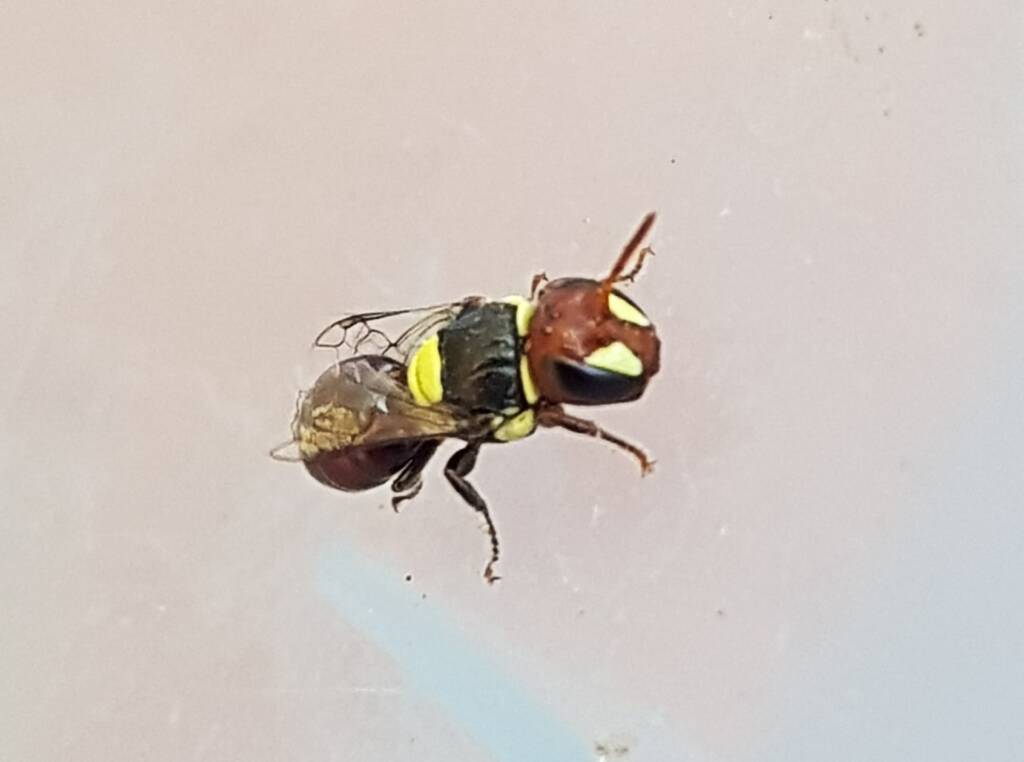
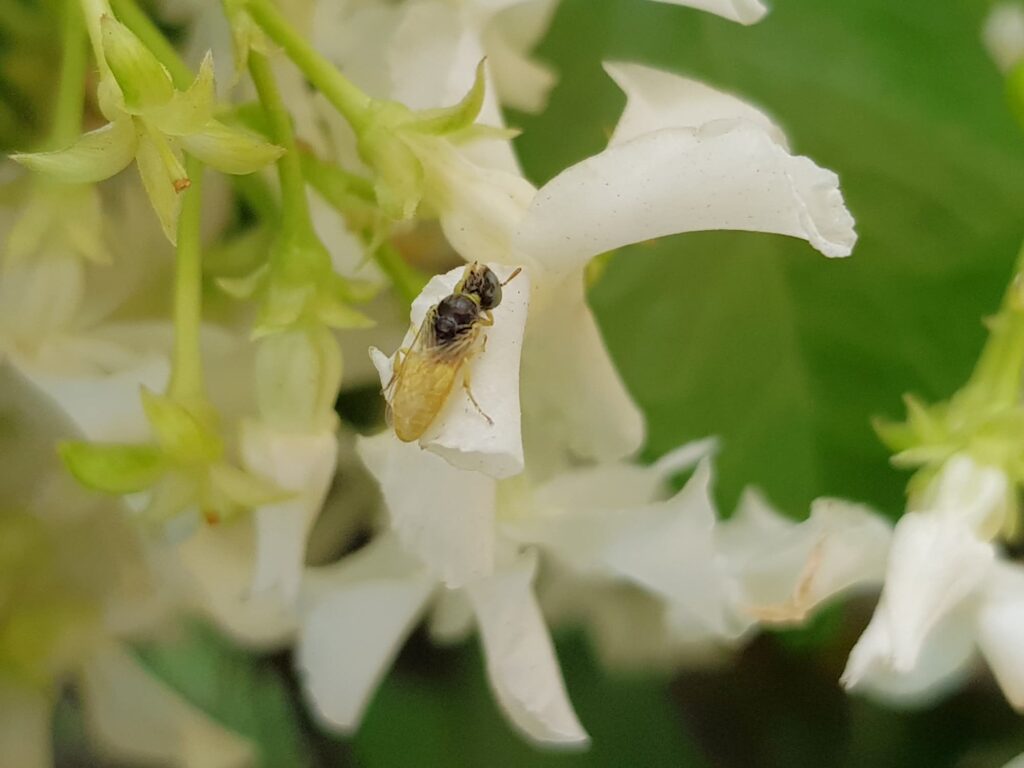
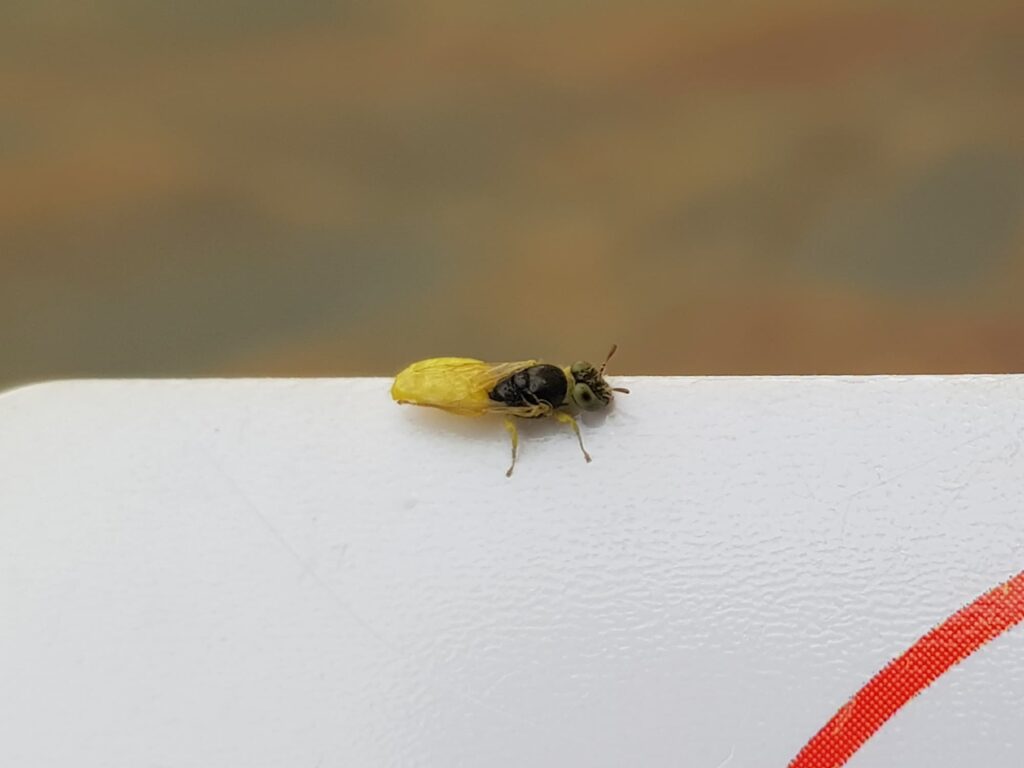
Among the native bees that I saw, was the interesting Xanthesma vittata, in the family Colletidae. It had pale yellow abdomen and green eyes. I had rescued it from the swimming pool, placed it on the flowers of the jasmine bush, and watched it dry off before flying away.
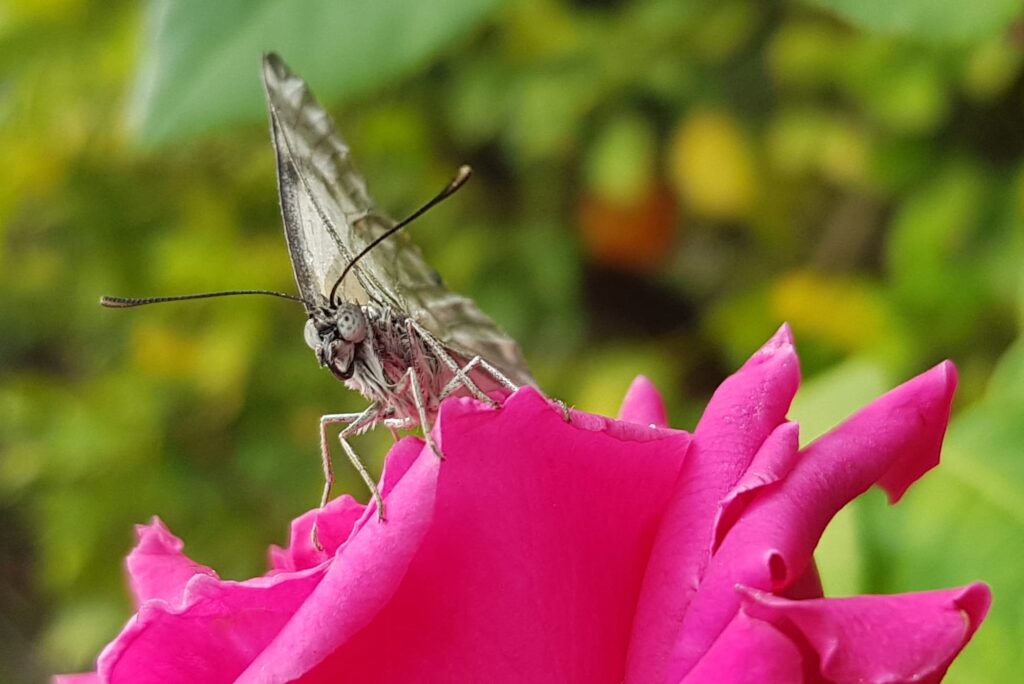
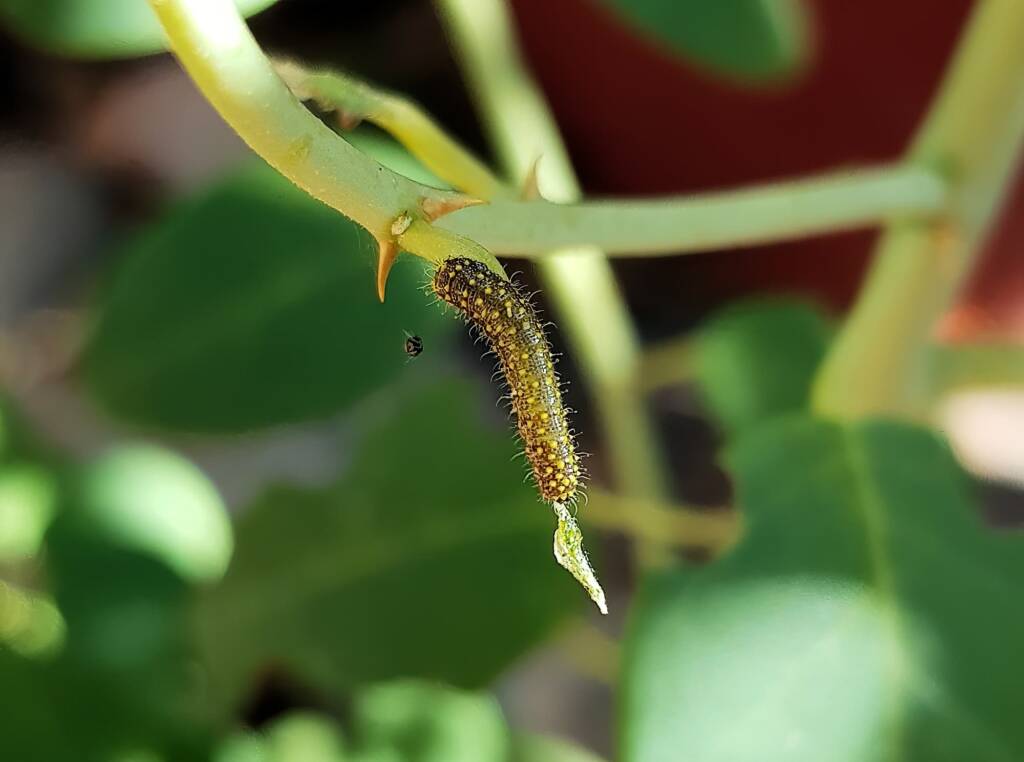
The Caper White Butterfly, Belenois java and the sub-species Belenois java teutonia are a common sight for me, especially in season when you often see many of them fluttering on flowering shrubs. My interest grew, when I was able to identify them going through the different stages of their life. A particular exciting moment was seeing the caterpillar shedding its skin.
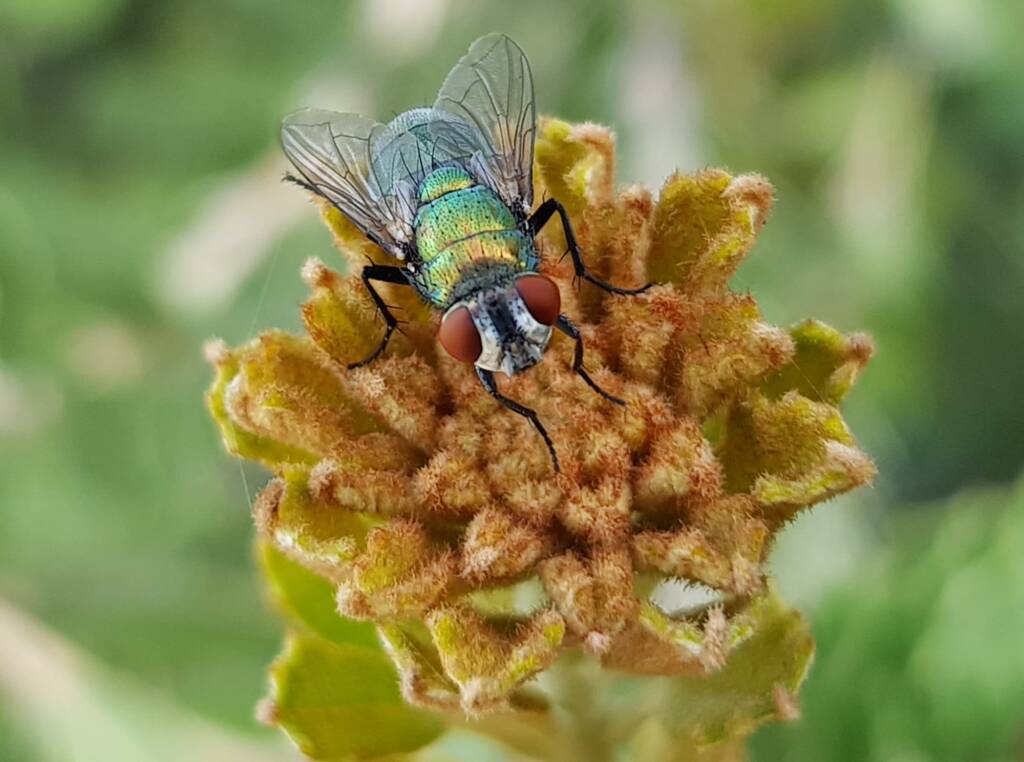
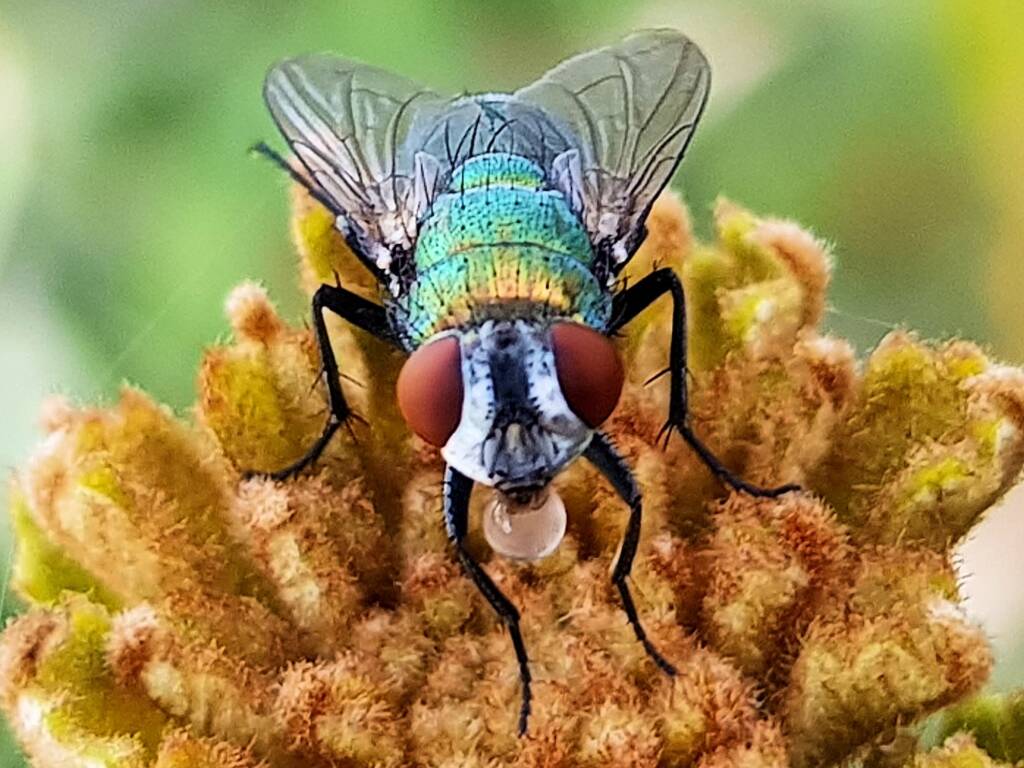
I just happen to glance at my Cut-leaf Banksia (Banksia praemorsa) and spotted this Australian Sheep Blowfly (Lucilia cuprina) feeding on the nectar. Then I saw that the fly was blowing a bubble. This was first time I have seen a blowfly do this and I was thrilled to say the least, to capture the moment.
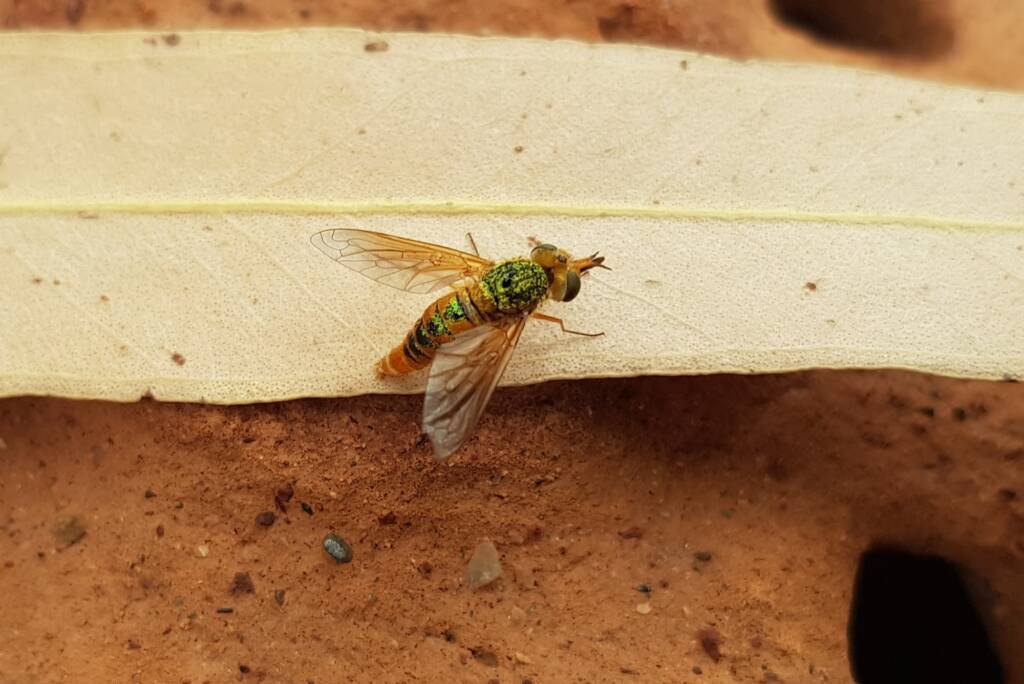
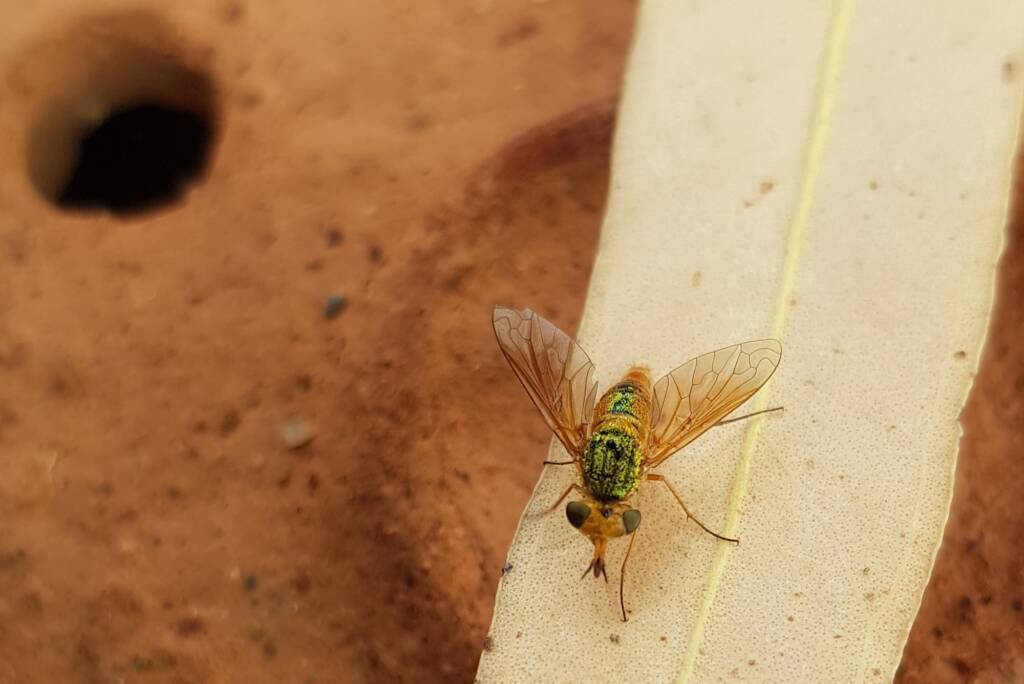
This was a colourful Bee Fly with an metallic sheen in the genus Neosardus sp. Having rescued it from the swimming pool, it kindly posed whilst drying off, before deciding enough was enough and flew off.
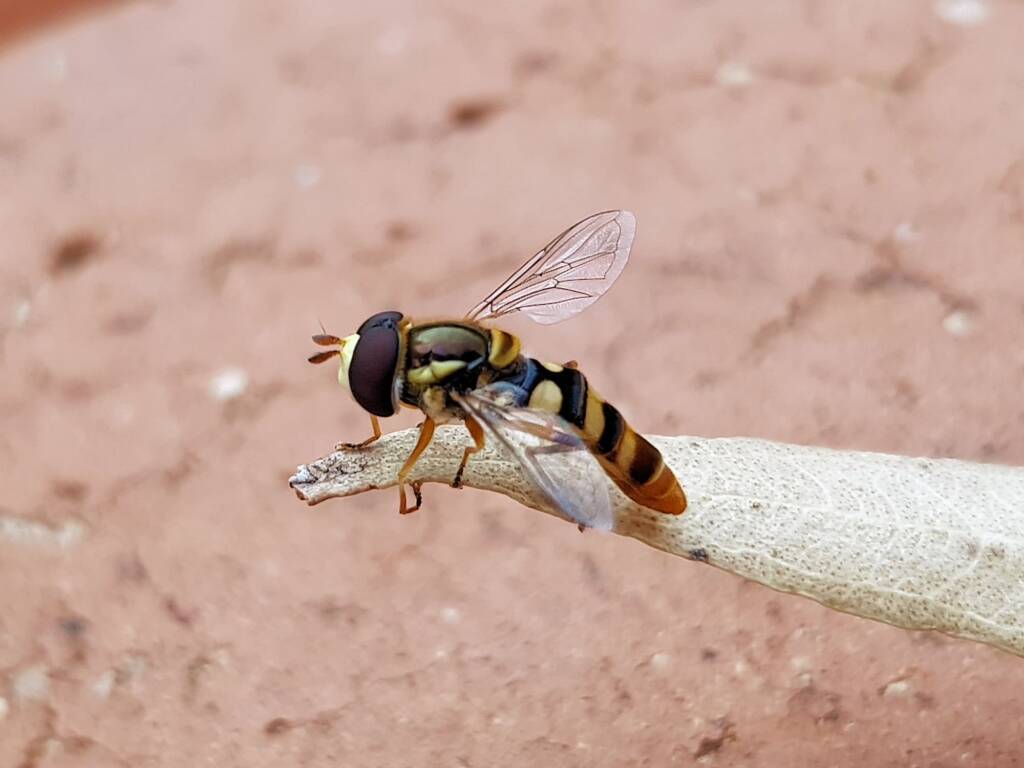
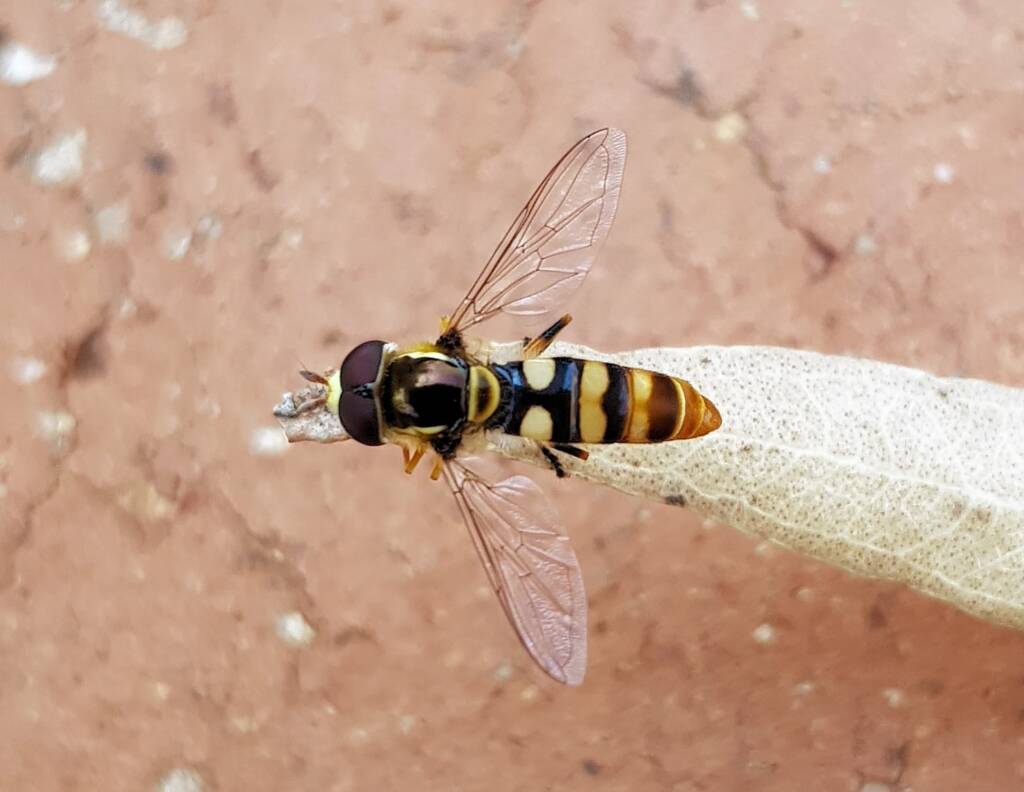
The Yellow-shouldered Hover Fly (Ischiodon scutellaris), also known as the Common Hover Fly, although I certainly don’t think there is anything common about it.
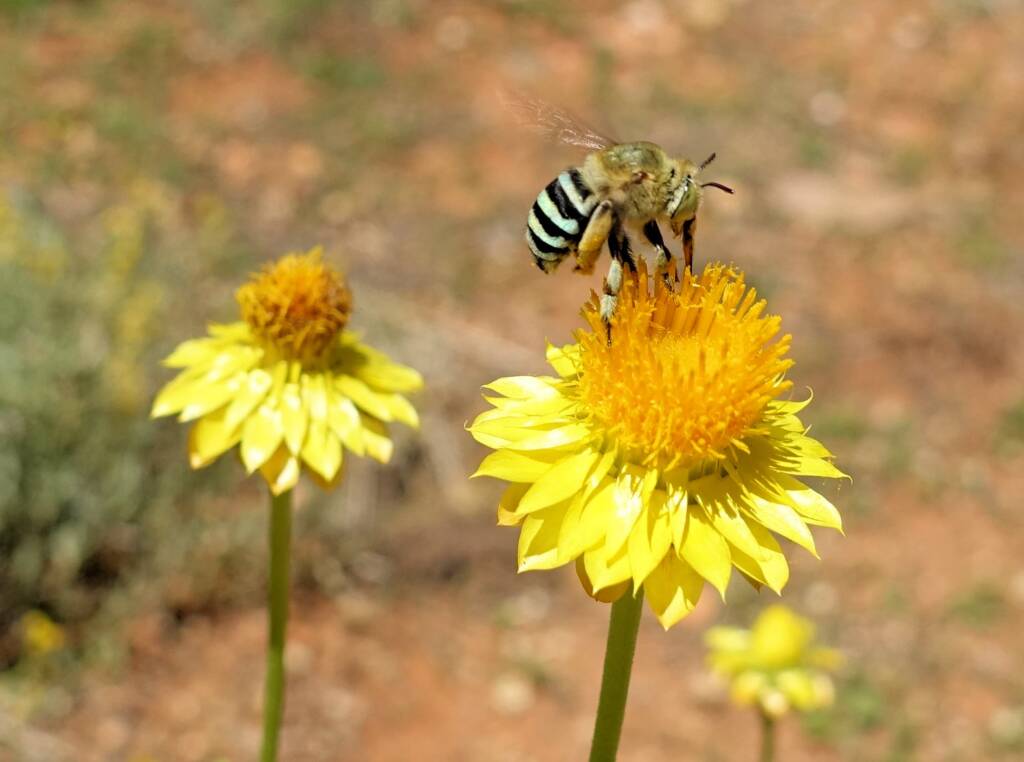
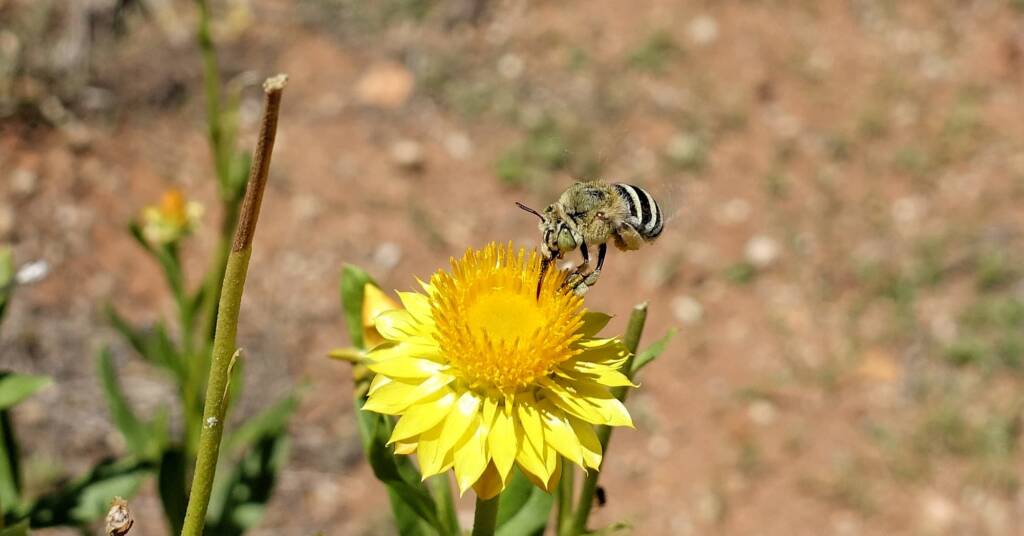
It is always a thrill to see the Amegilla chlorocyanea blue-banded bee, enjoying the wildflowers, as seen here on the Golden Everlasting (Xerochrysum bracteatum). Whilst there are over 250 species of blue-banded bee, not all species have blue bands, some can be white, yellow, pale green and variations and mixes in between.
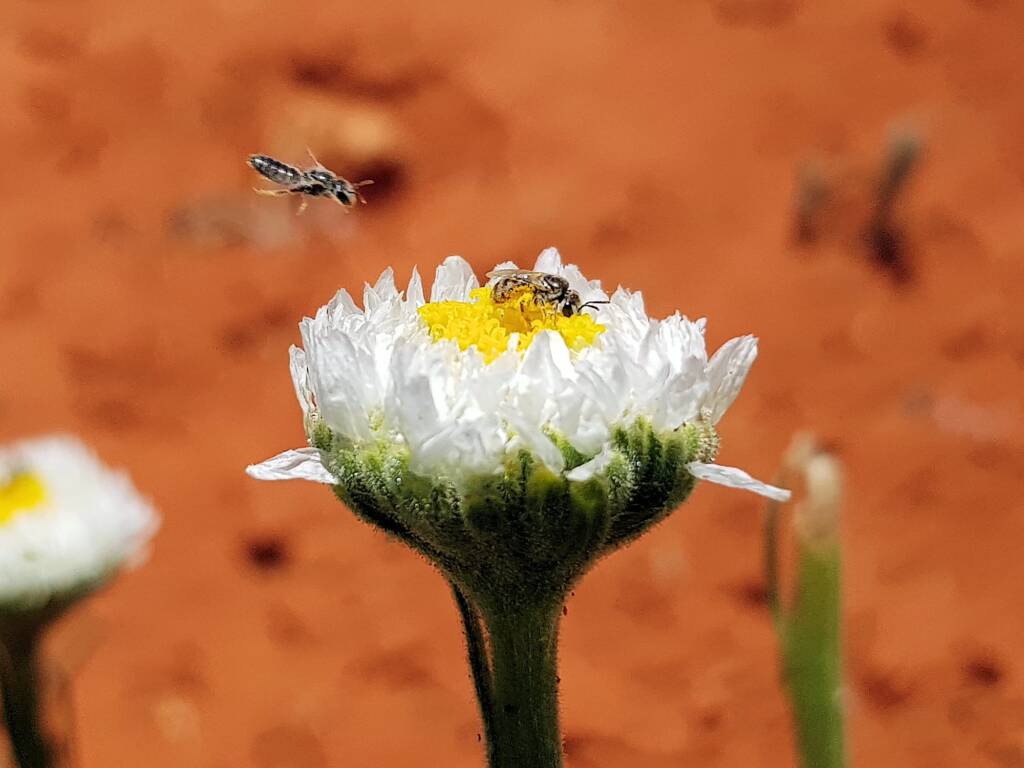
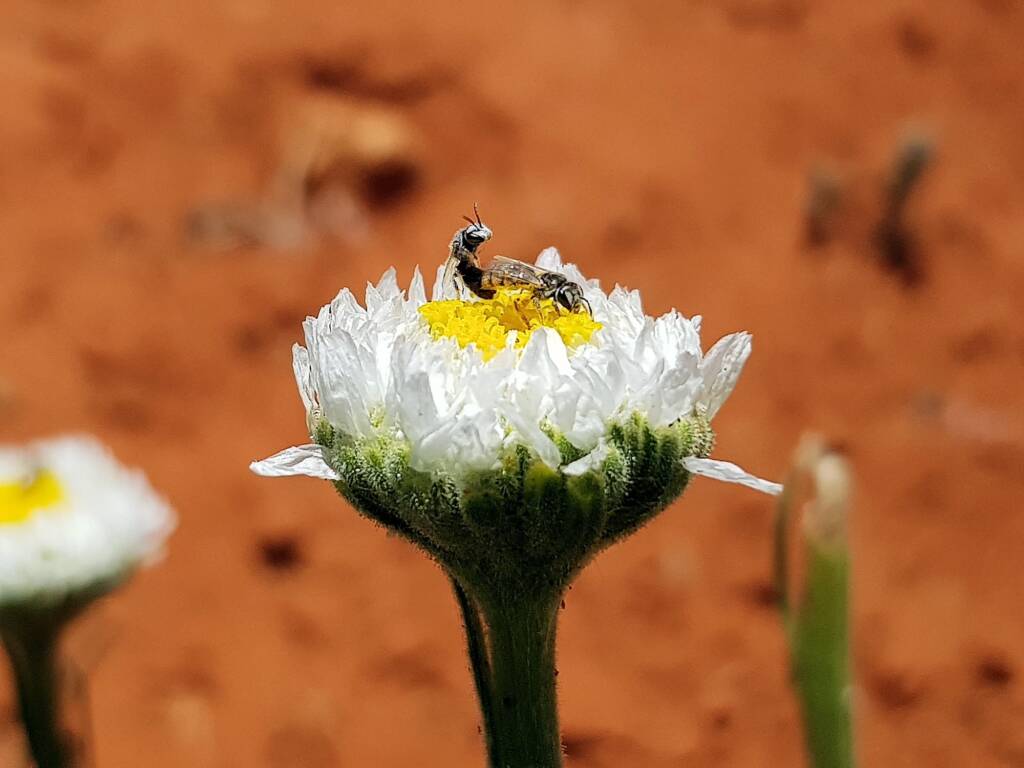
At the time, I was observing the Lasioglossum (Homalictus) bee supping on the nectar of the Poached Egg Daisy (Polycalymma stuartii). Suddenly, another bee flew into my shot and just hovered above the flower. It was quick and I was not sure that I had managed to capture the interaction. Looking through the photos, I was delighted. Not only had I captured the female feeding on the nectar, but also the moment when the male and female Lasioglossum (Homalictus) were mating (to put it politely).
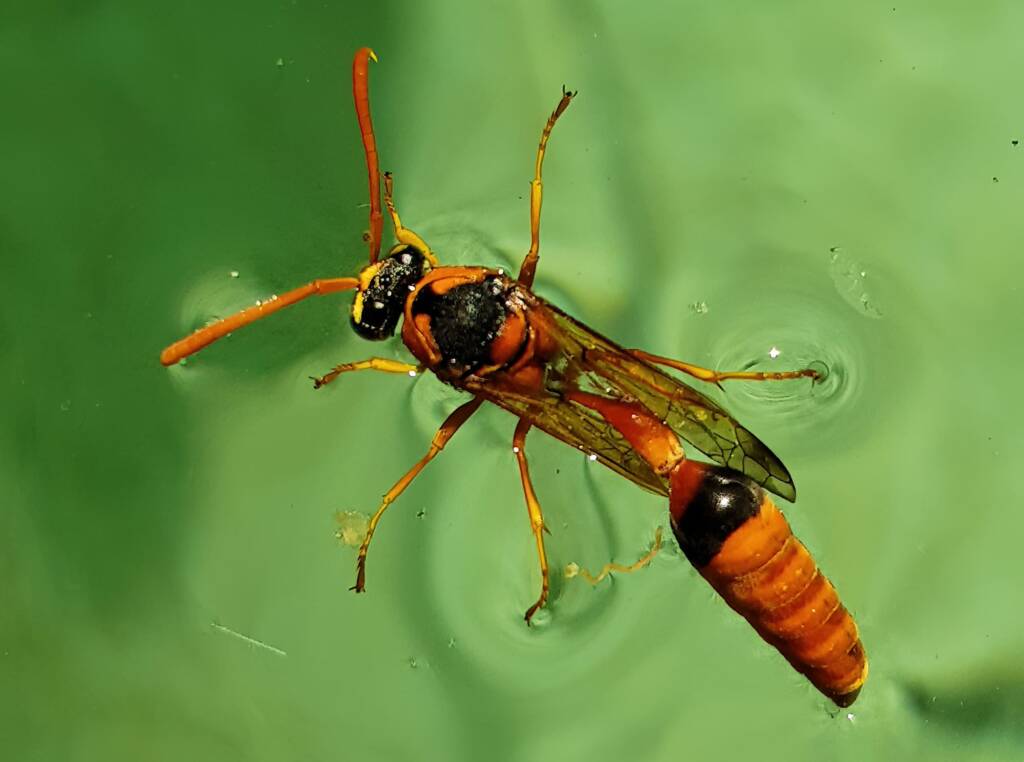
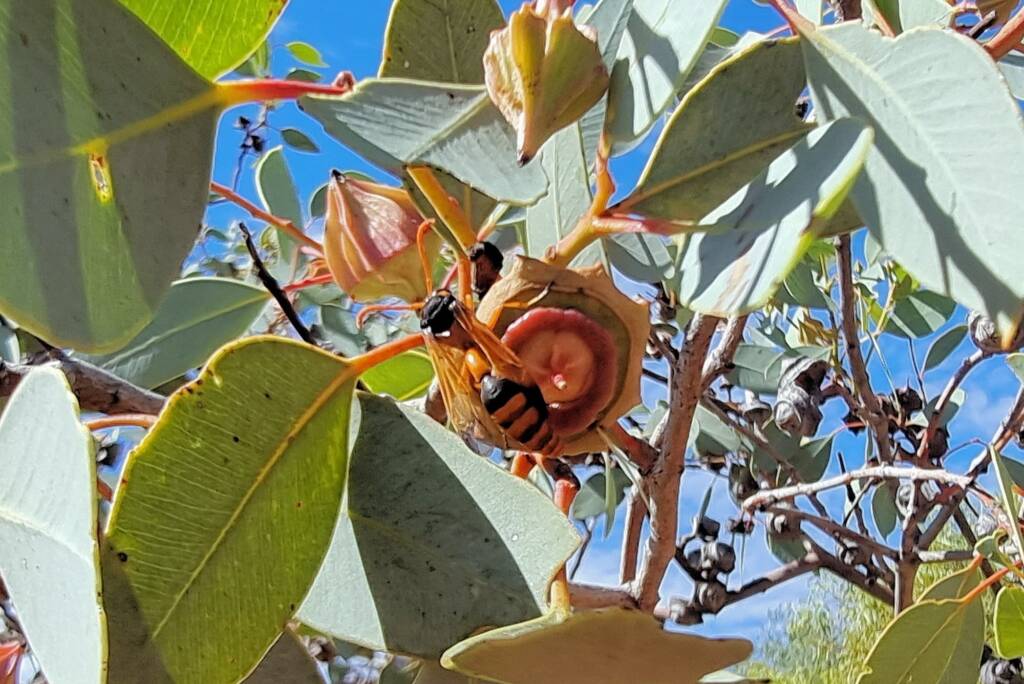
The Potter Wasp (Delta philantes) is a distinctive medium to large native wasp, with a orange and black appearance. Pictured is one I rescued from a swimming pool and another one feeding on the flower of the Red Bud Mallee (Eucalyptus pachyphylla).
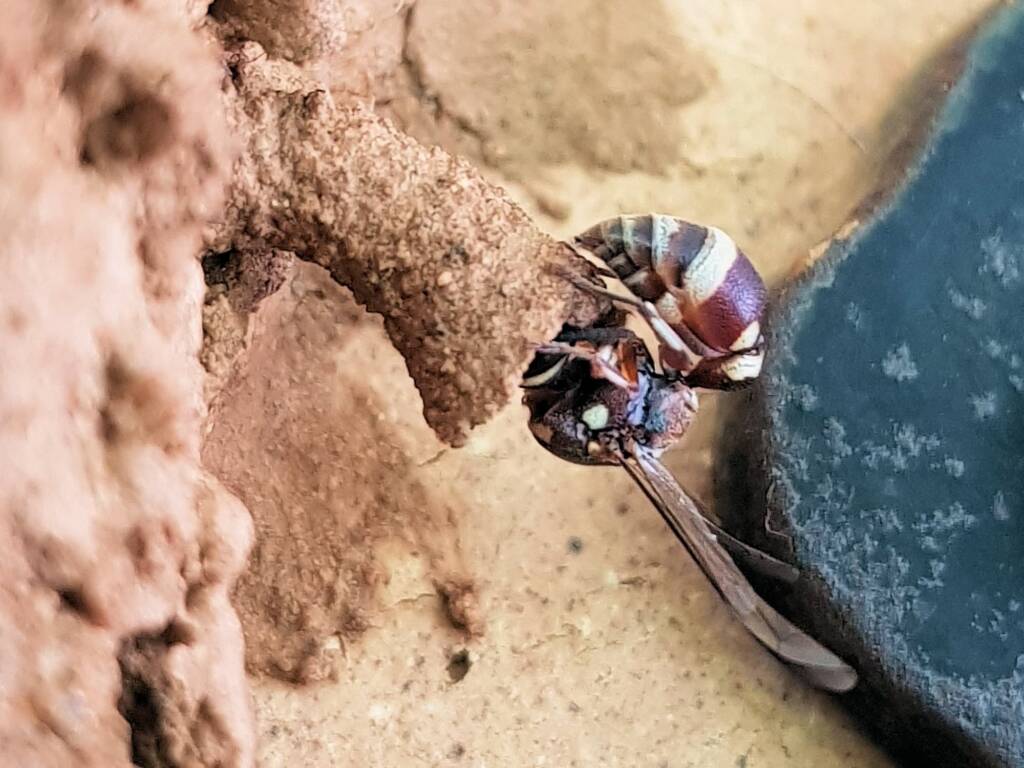
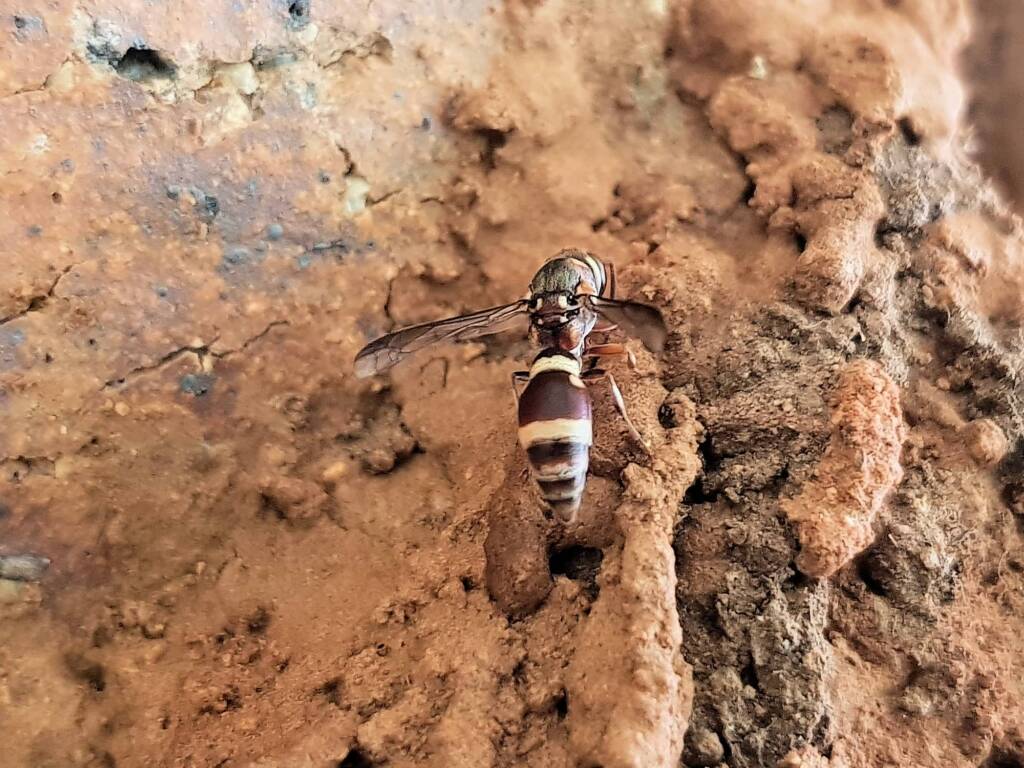
I was fortunate to be able to observe this Orange-tailed Potter Wasp (Delta latreillei) on my porch, near my front door. Over time, the Orange-tailed Potter Wasp built this impressive mud nesting structure, made up of multiple cells. Once each individual nest cell is filled with paralysed prey, an egg/larvae is laid and the nest cell is capped/sealed.
Check out the blog a penthouse with a view…
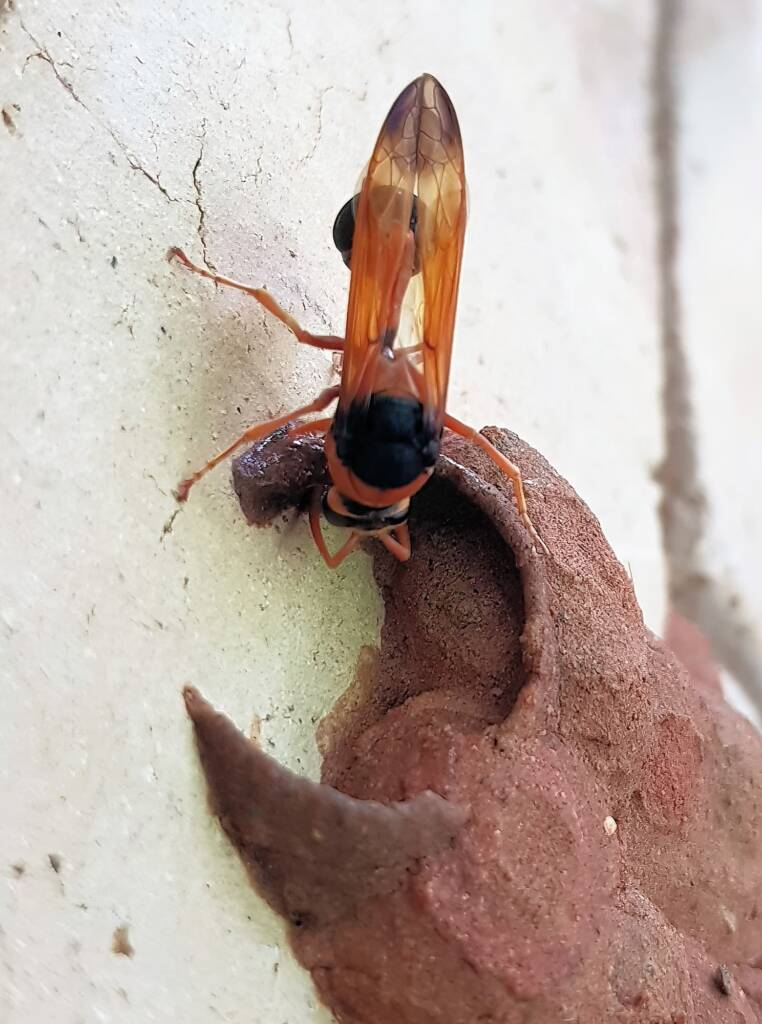
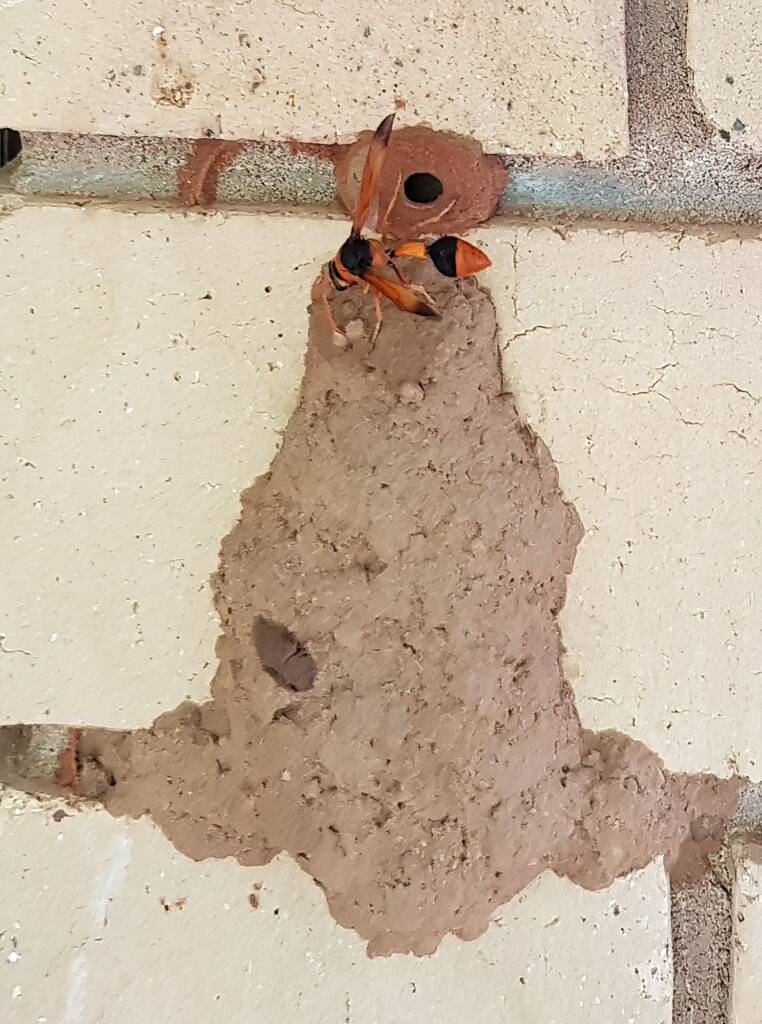
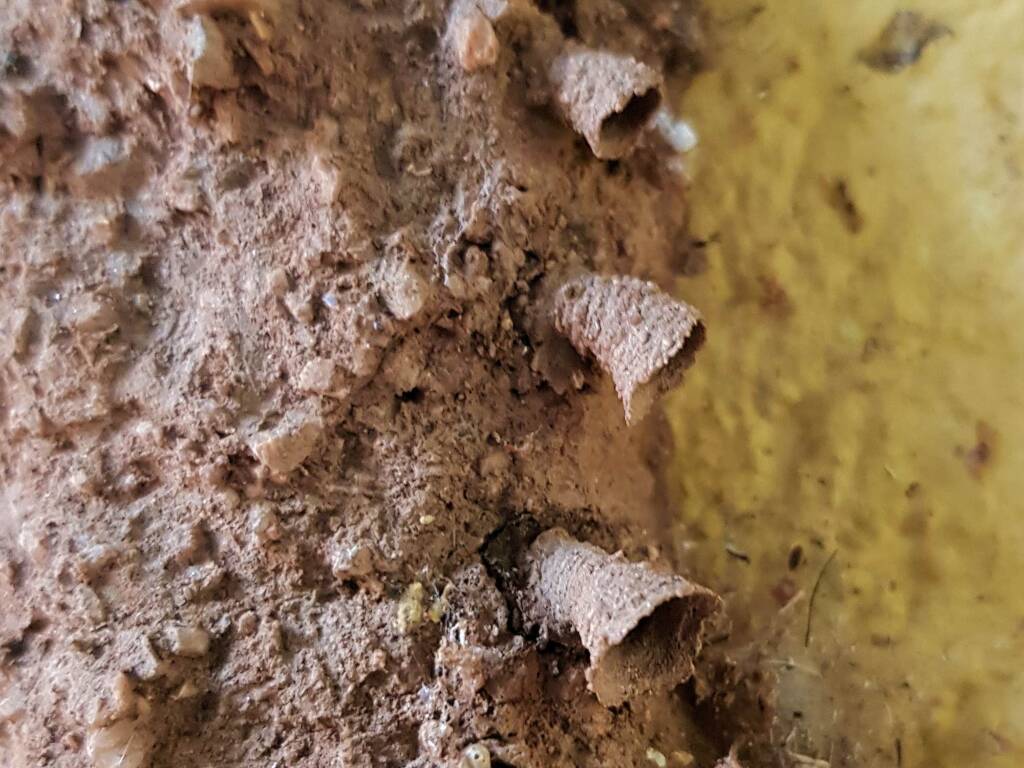
There was a period where our porch had become very popular with native wasps… another wasp species, the Paralastor (Potter Wasp) did some redevelopment over the vacated exisitng mud nest, to build their own funnel-shaped nests.
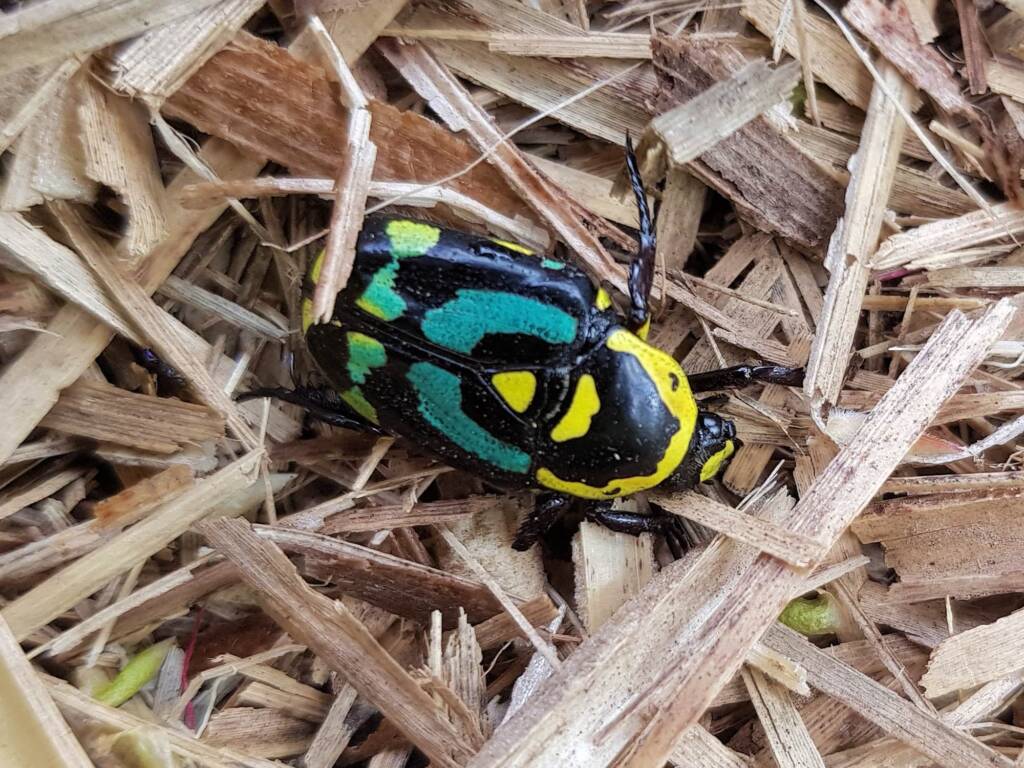
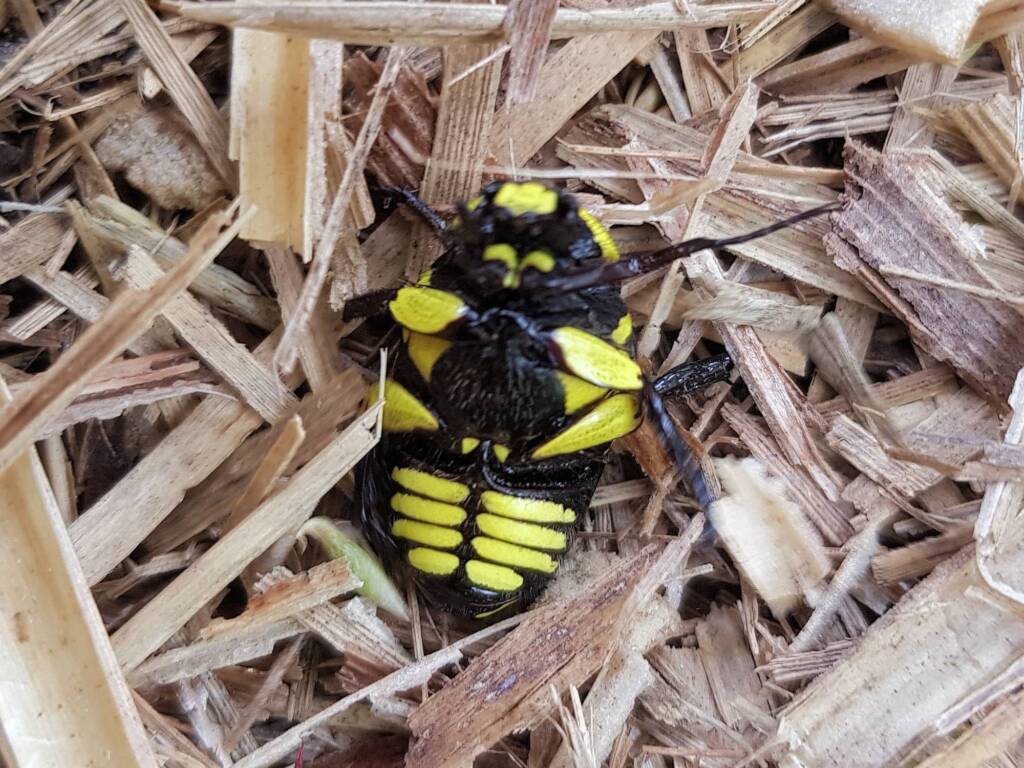
This colourful Chlorobapta frontalis Flower Beetle, was a delight to see. I flipped it on its back to get a quick photo of the underside, before releasing it into the garden. It was the first time I have ever seen this species and have not seen another one since.
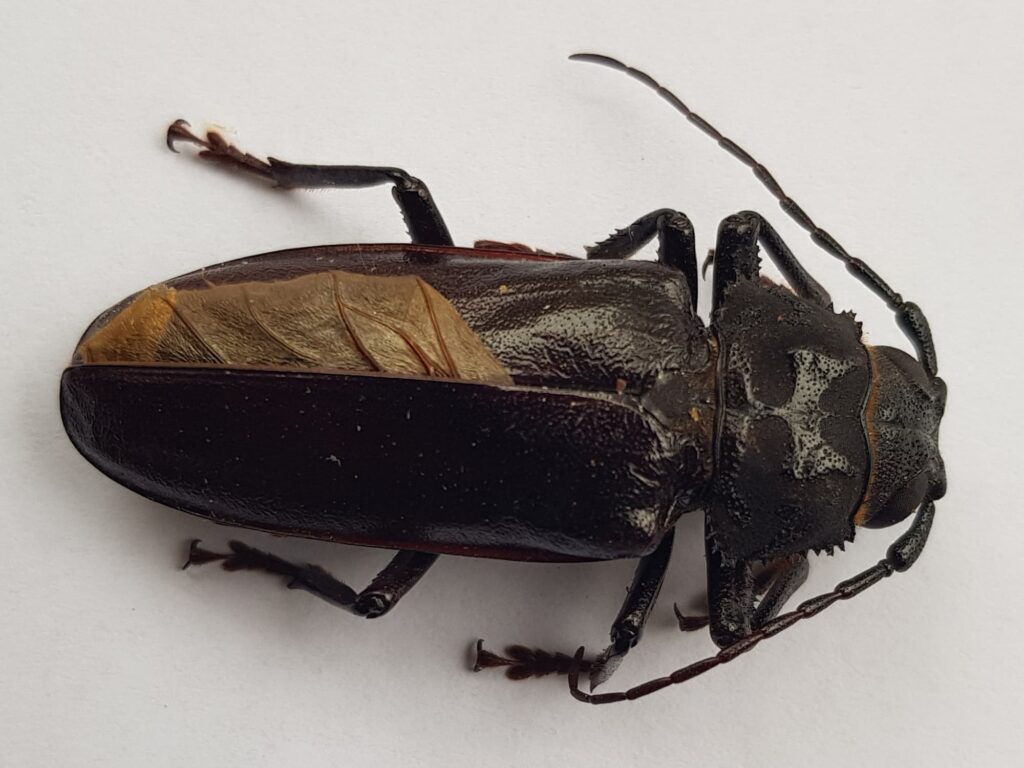
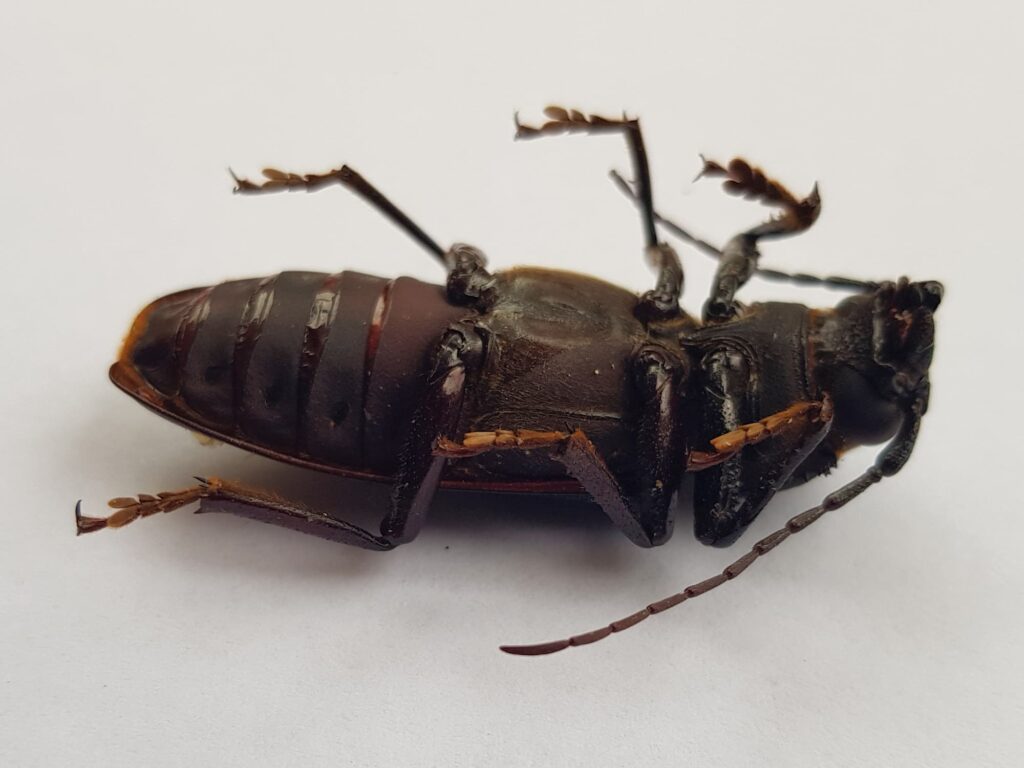
Although this beetle was deceased, it certainly impressed me, as it was 5 cm in length and the largest beetle I have seen. The specimen was ID by Dr Adam Yates, senior curator of Earth Sciences at the Museum and Art Gallery of the Northern Territory. I donated this specimen to the Alice Springs Megafauna Central (MAGNT) collection.
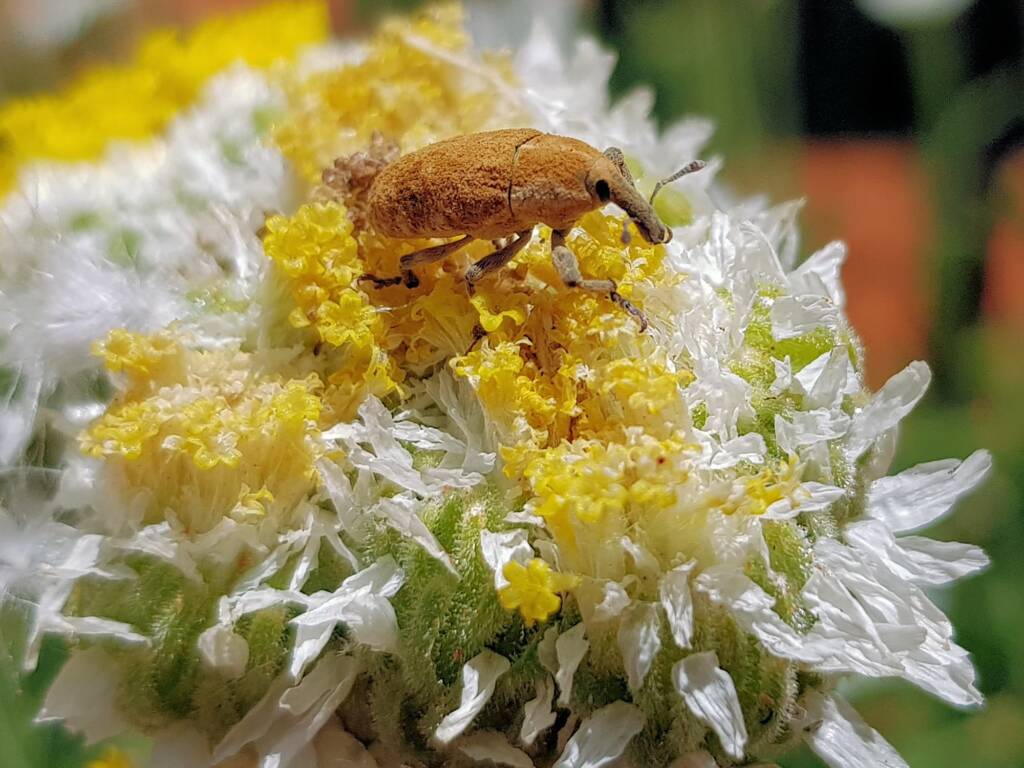
I was really taken with this Snout Beetle (genus Lixus, family Curculionidae), as it was the first time I have seen a beetle with a “snout”. It is enjoying the Golden Everlasting (Xerochrysum bracteatum).
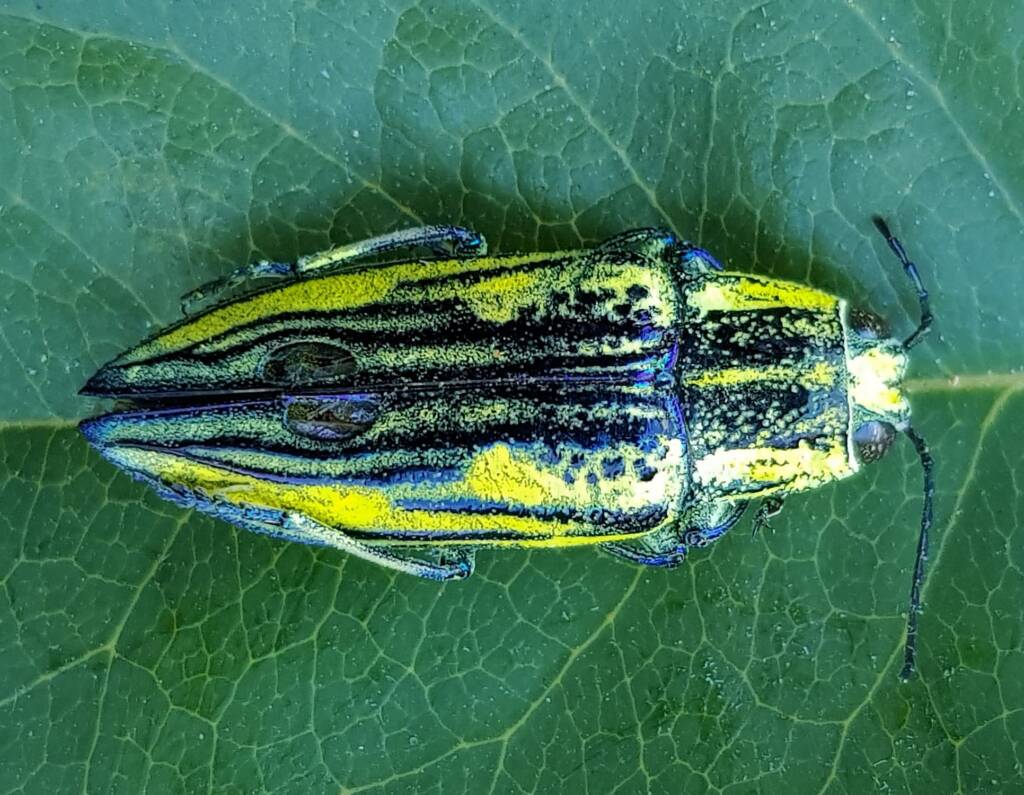
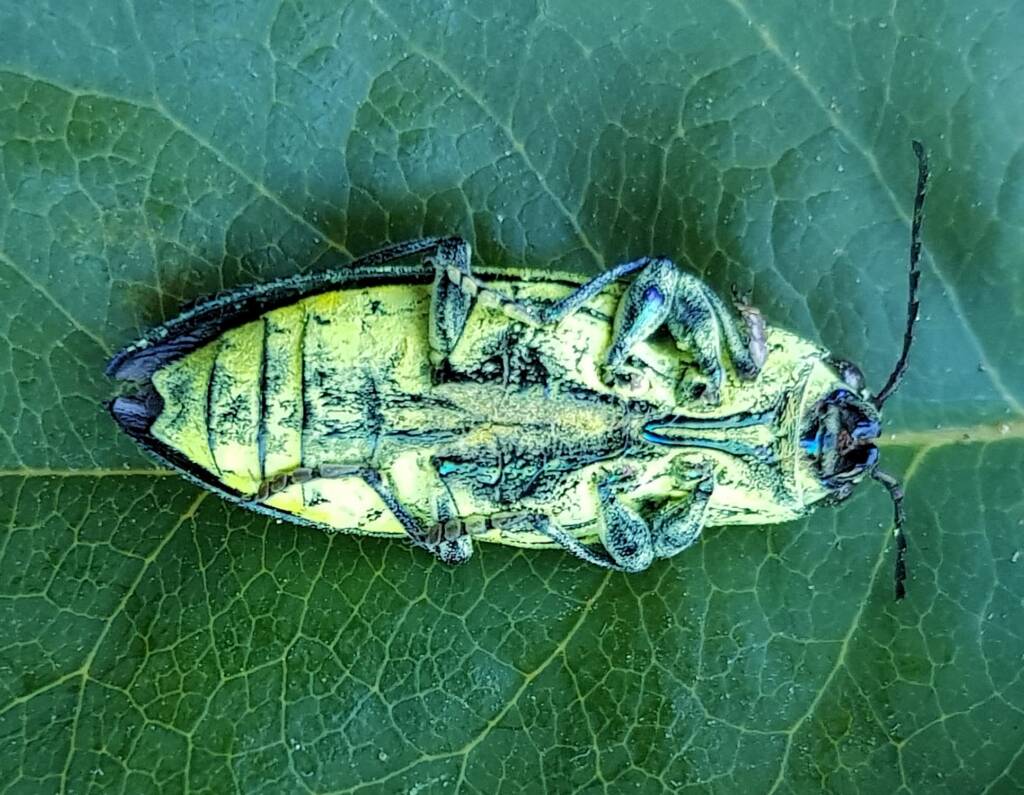
This Chalcophorotaenia beetle was near the end of its life. It had damage to the limbs and antennae. Like many beetles, as they get age and get old, the more distal parts of their limbs and antennae dry up and break off.
Chalcophorotaenia is a genus of beetles in the family Buprestidae. The Buprestidae are a family known as jewel beetles or metallic wood-boring beetles because of their glossy iridescent colours.
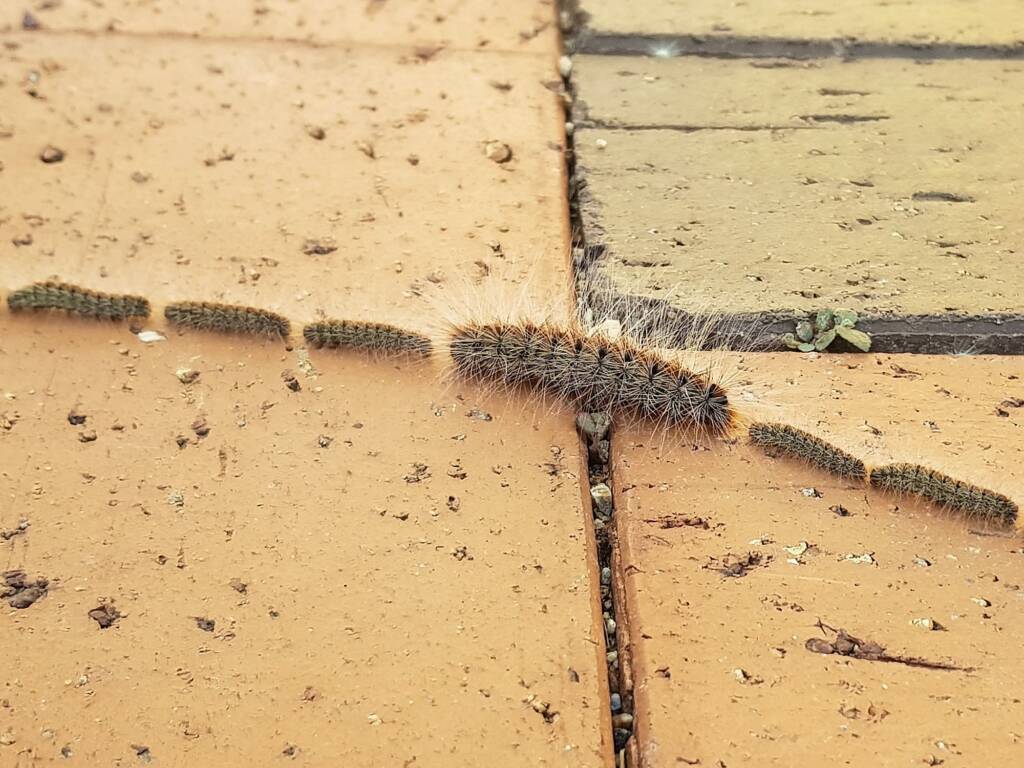
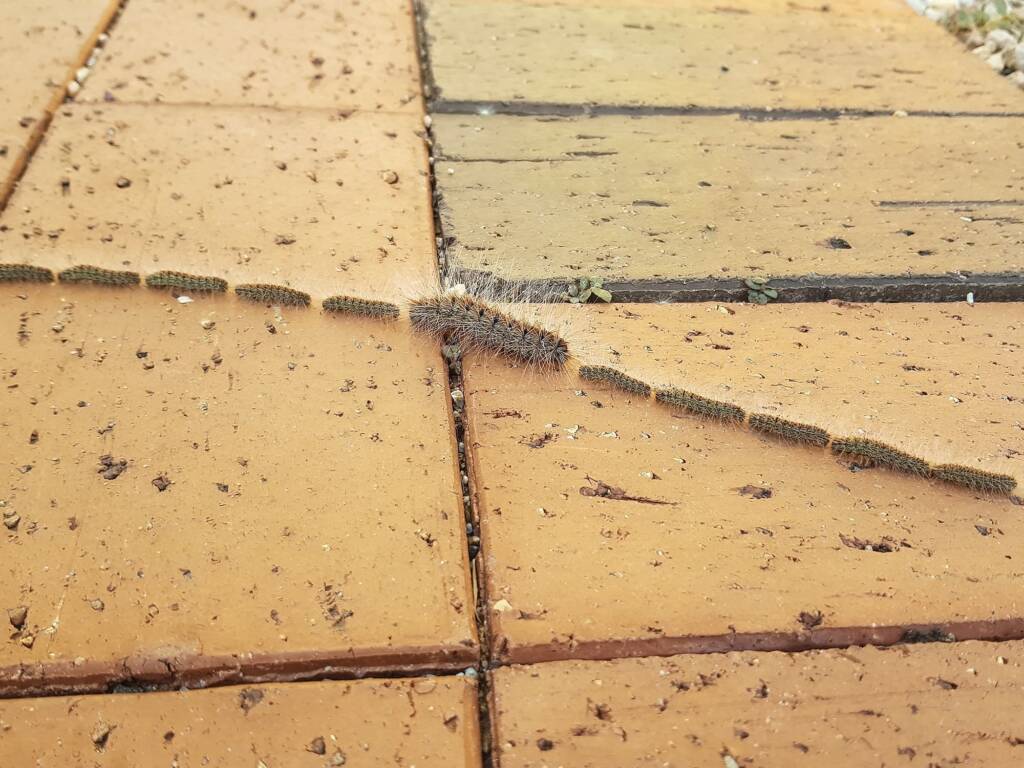
I am always fascinated to see a procession of Processionary Caterpillars. This procession caught my attention with a large caterpillar in the procession. The Processionary Caterpillars (Ochrogaster lunifer) have an interesting life, as the caterpillars look for a place to make their nest (a silken woven bag), usually up in the bough of a shrub or tree, from which they emerge as the Bag-shelter Moth.
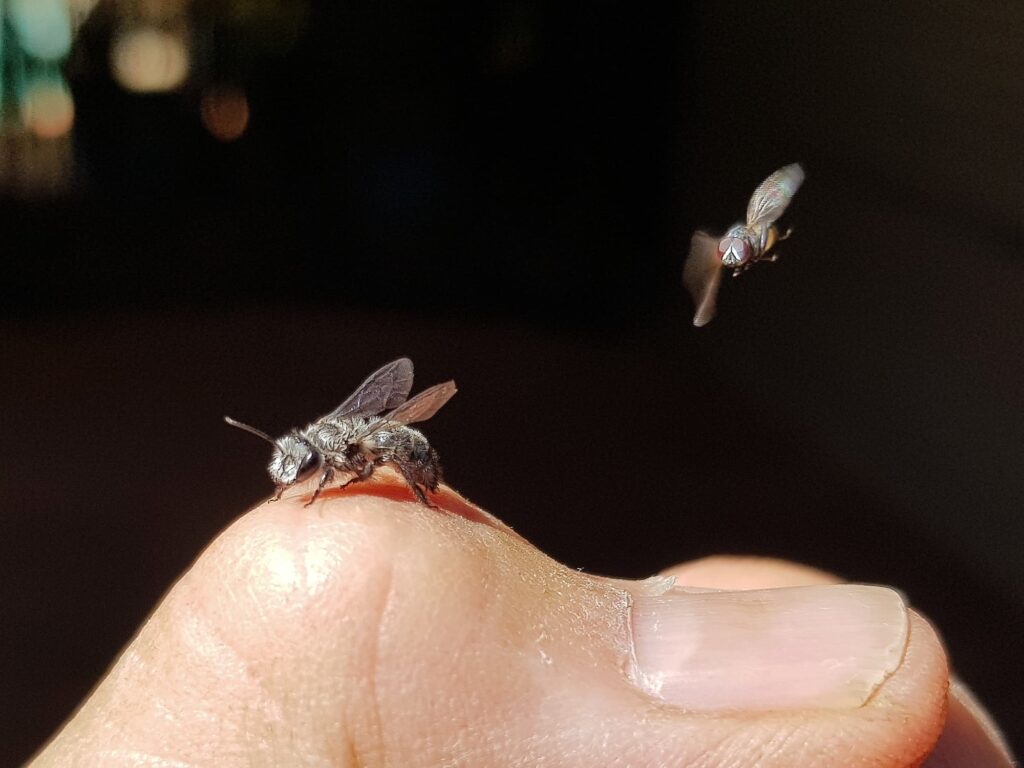
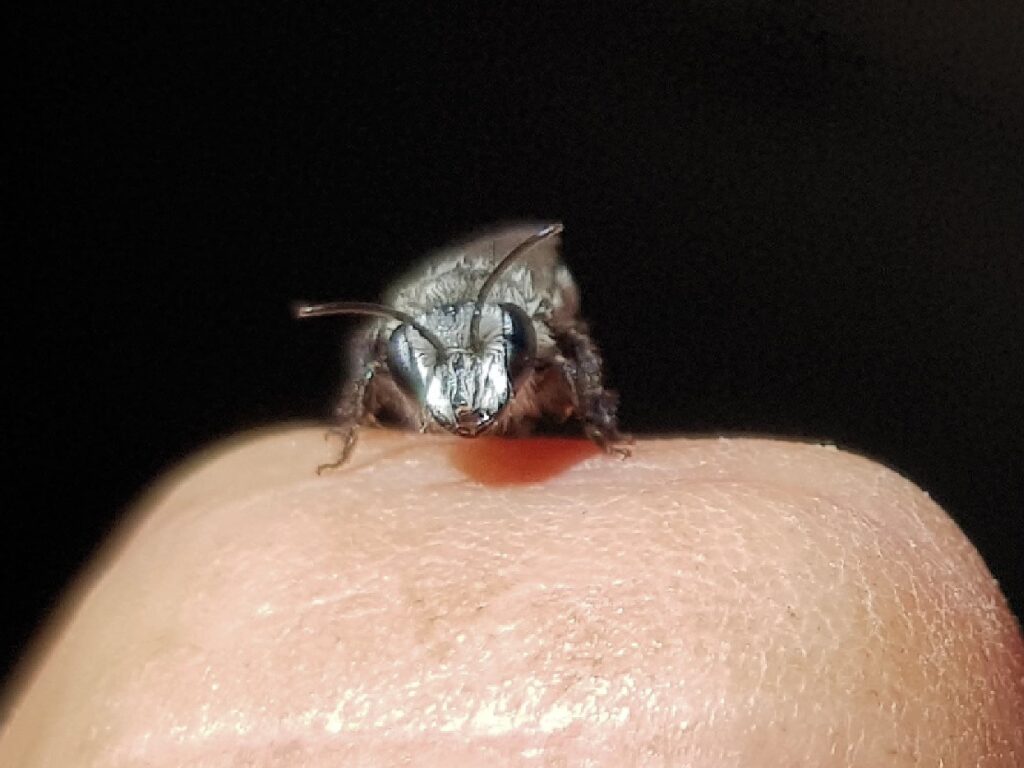
I was trying to get a face-on shot of this native bee (Leioproctus sp), that I had rescued from the swimming pool when a fly dive-bombed the photo shoot…
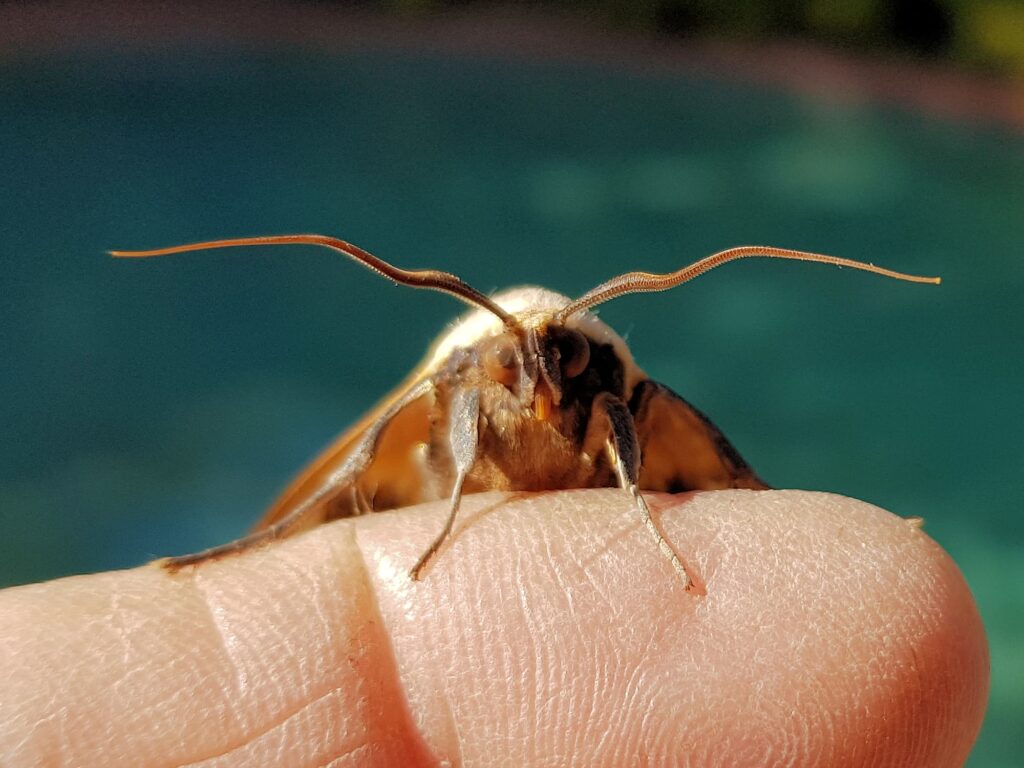
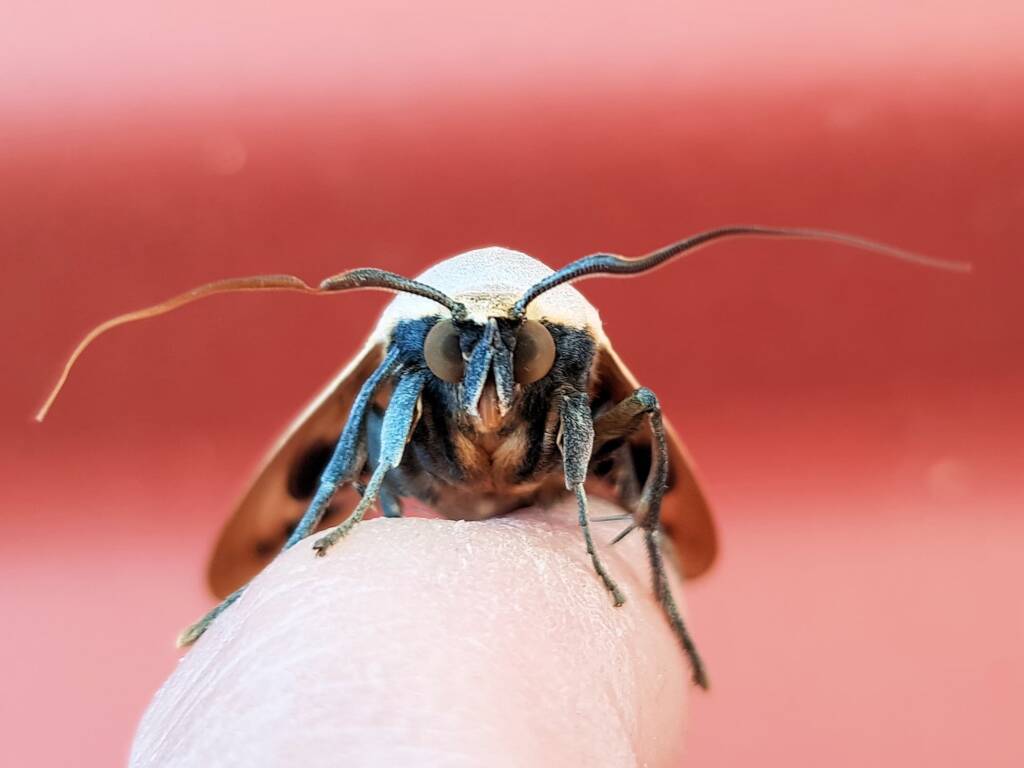
This Ophiusa parcemacula moth I rescued from the swimming pool are among my favourite photos of moths…
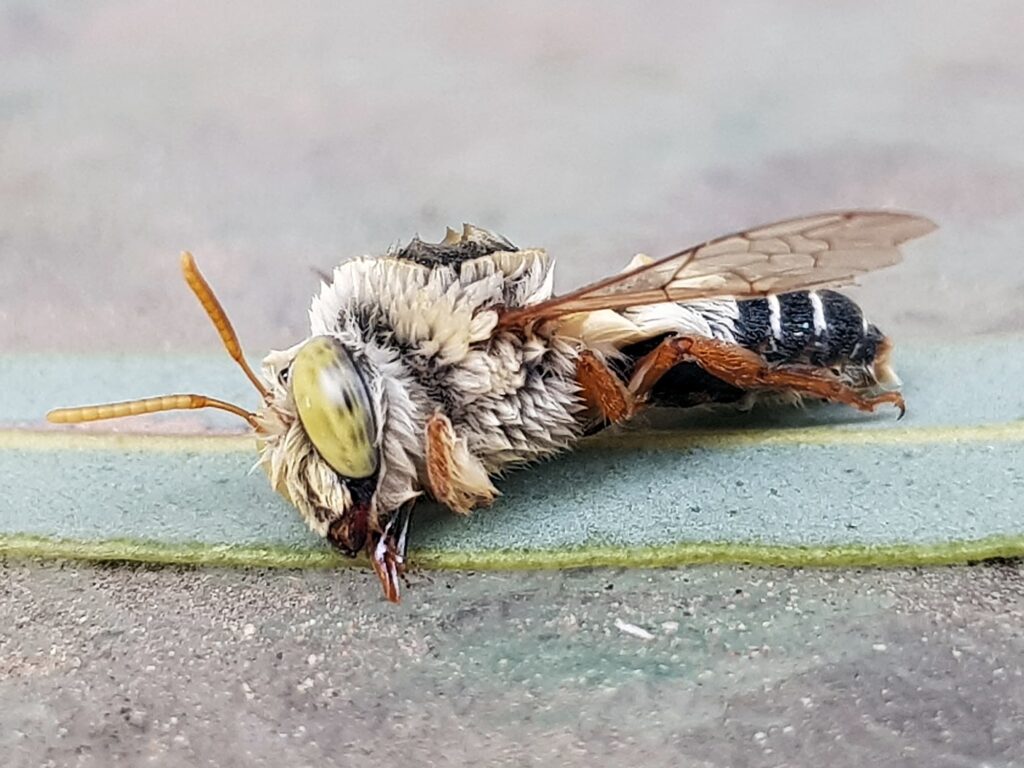
I have to mention this gorgeous native bee (Stenotritus sp), that I retrieved from the swimming pool. It looked deceased, but on closer inspection I notice a slight movement in the abdomen. So I took a few photos, and then I left it to dry off on the glass bench top. When I came back it was gone…
I liked the colours of this Soft-winged Flower Beetle (Carphurus cyaneipennis). They are predators of soft body small insects and also feed on lerps (insects) and the honey-dew produced by the lerps.
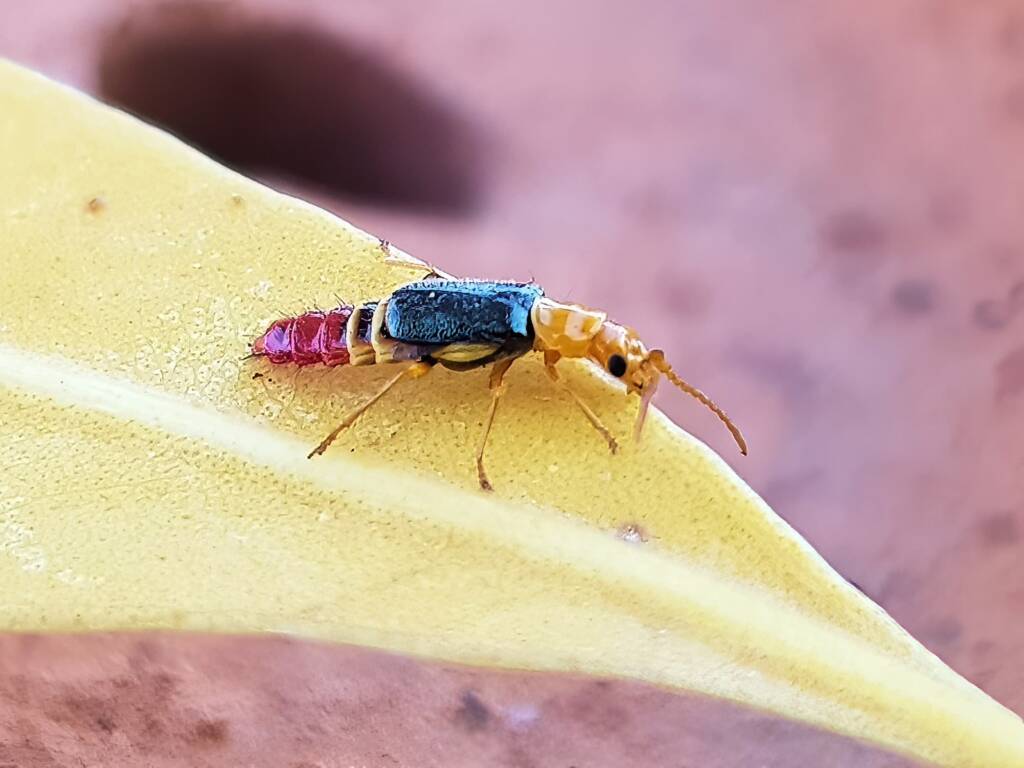
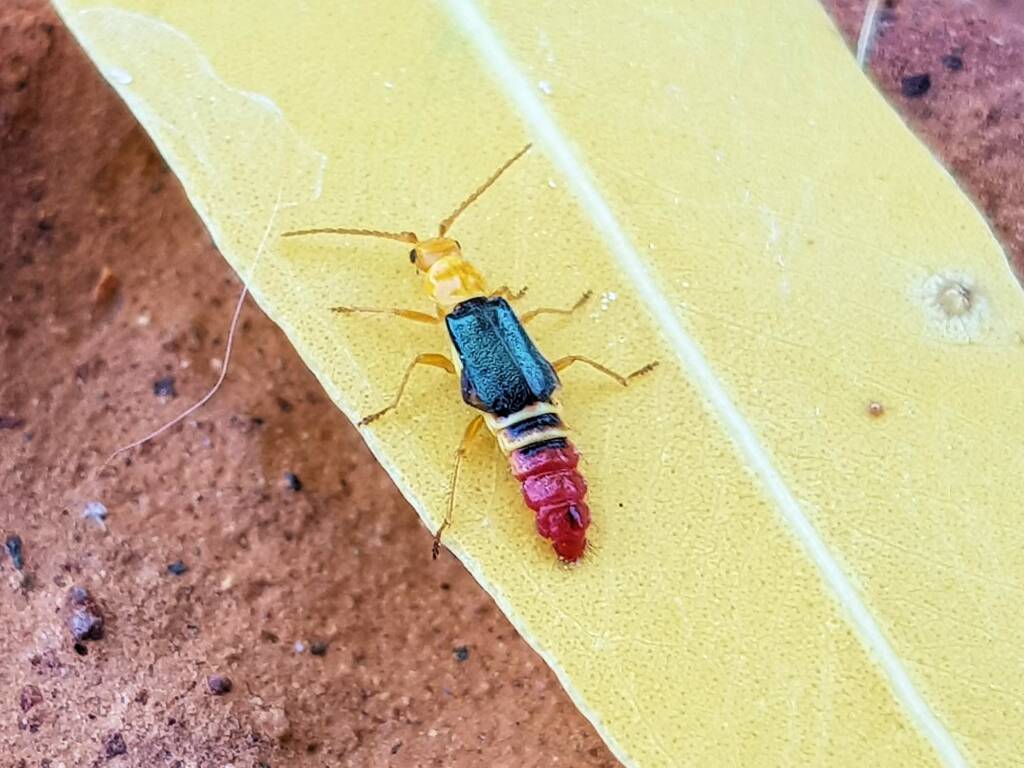
This Red and Blue Beetle (Dicranolaius bellulus) is a favourite discovery, when having saved it from the swimming pool, I noticed it had a “red heart” on it’s abdomen.
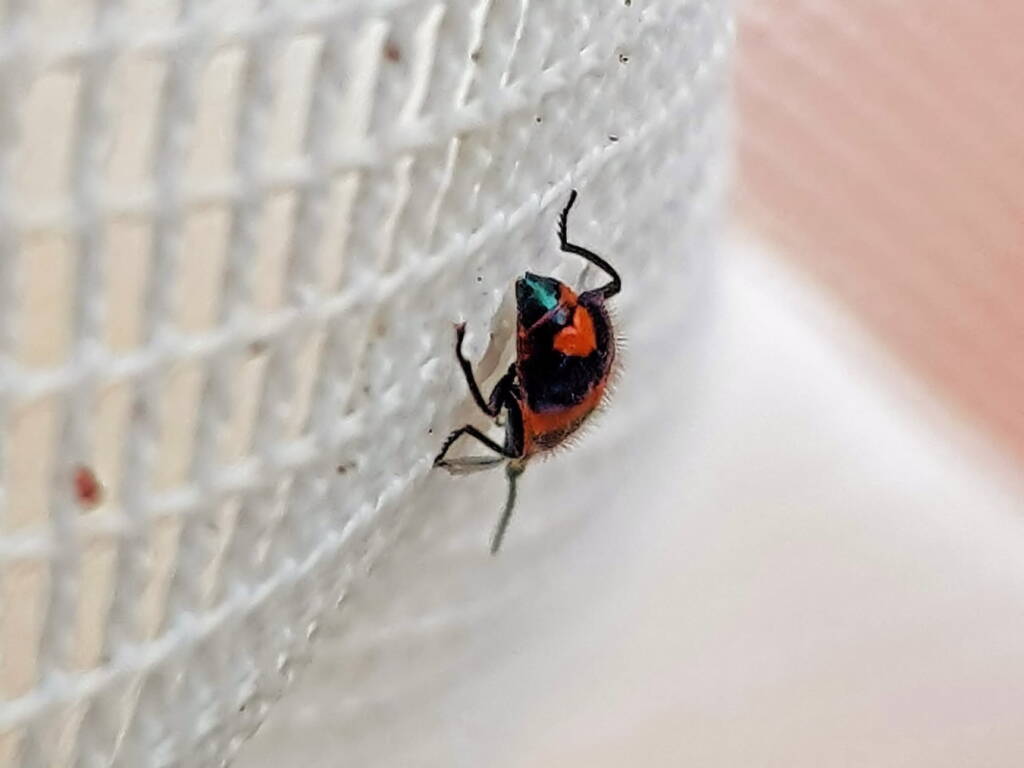
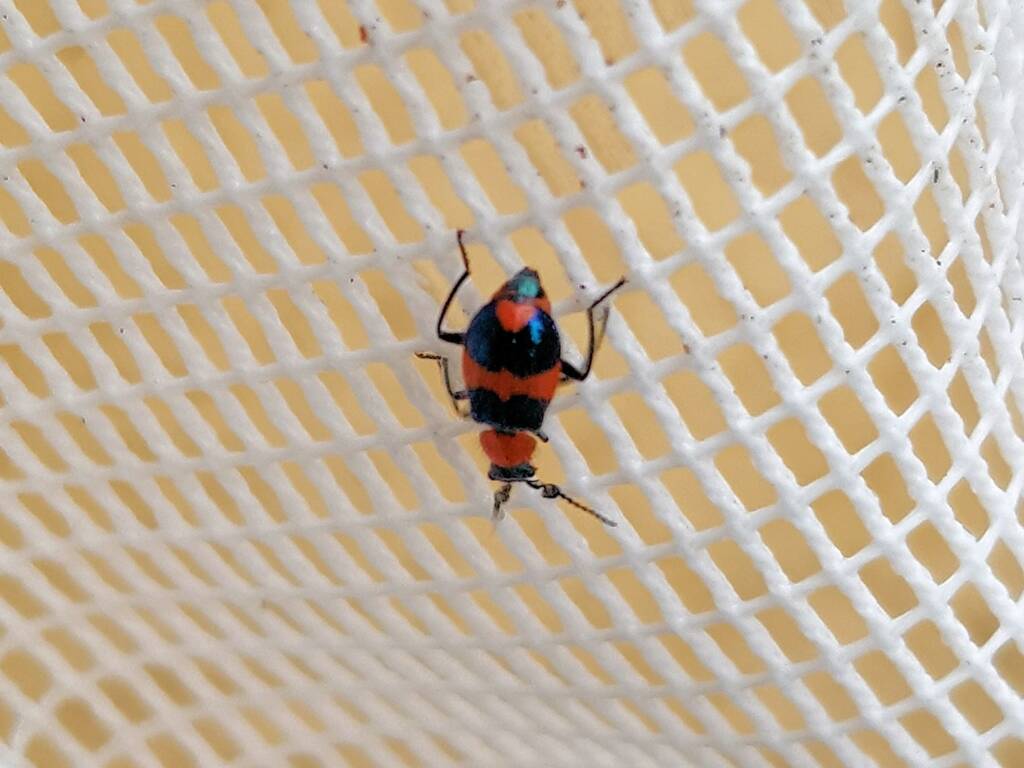
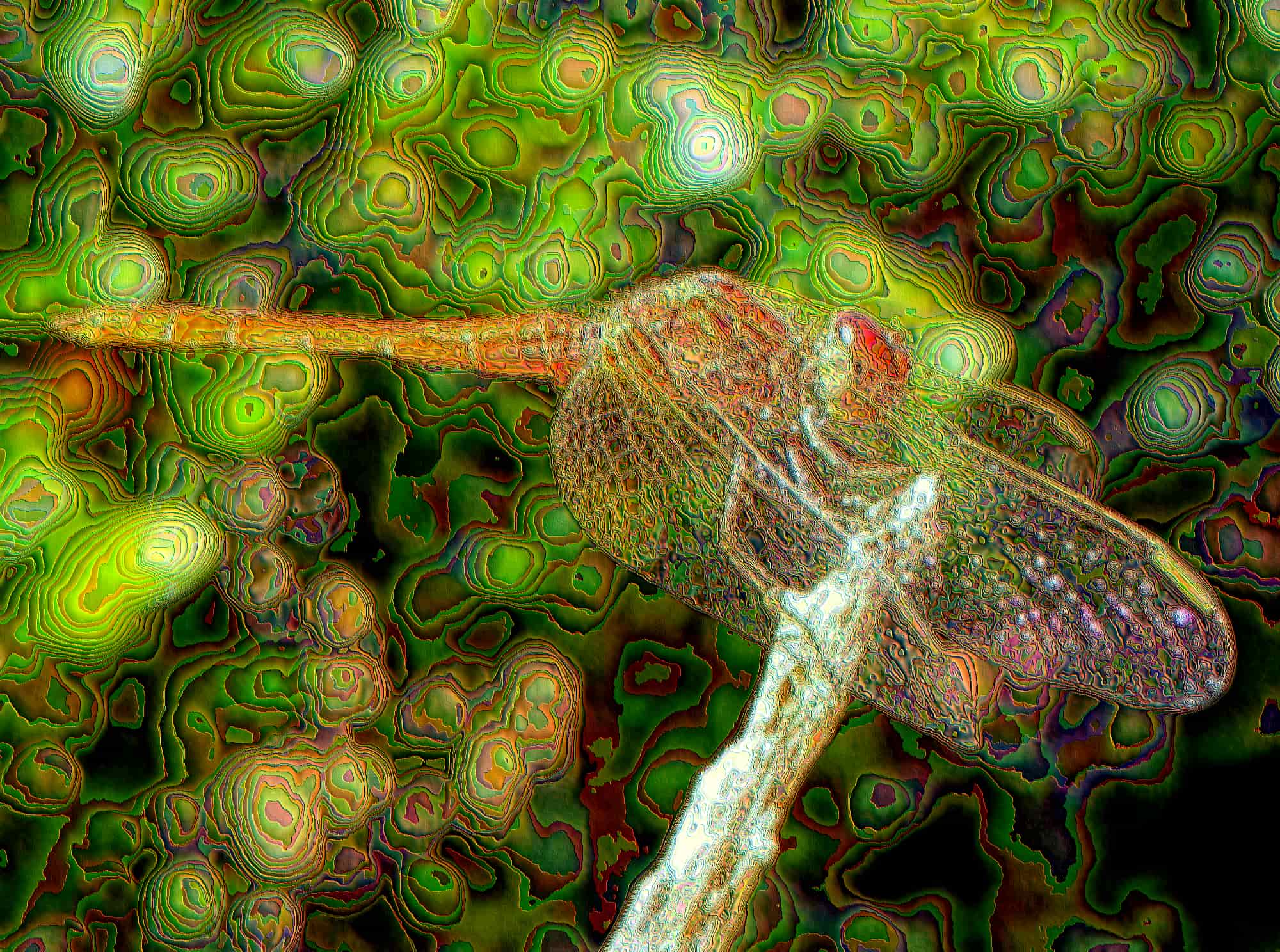
I have mentioned the Scarlet Percher (Diplacodes haematodes) dragonfly before. It is striking and eye-catching in appearance, and has provided me with some great photos and memories. It is also depicted in the header image of this page.
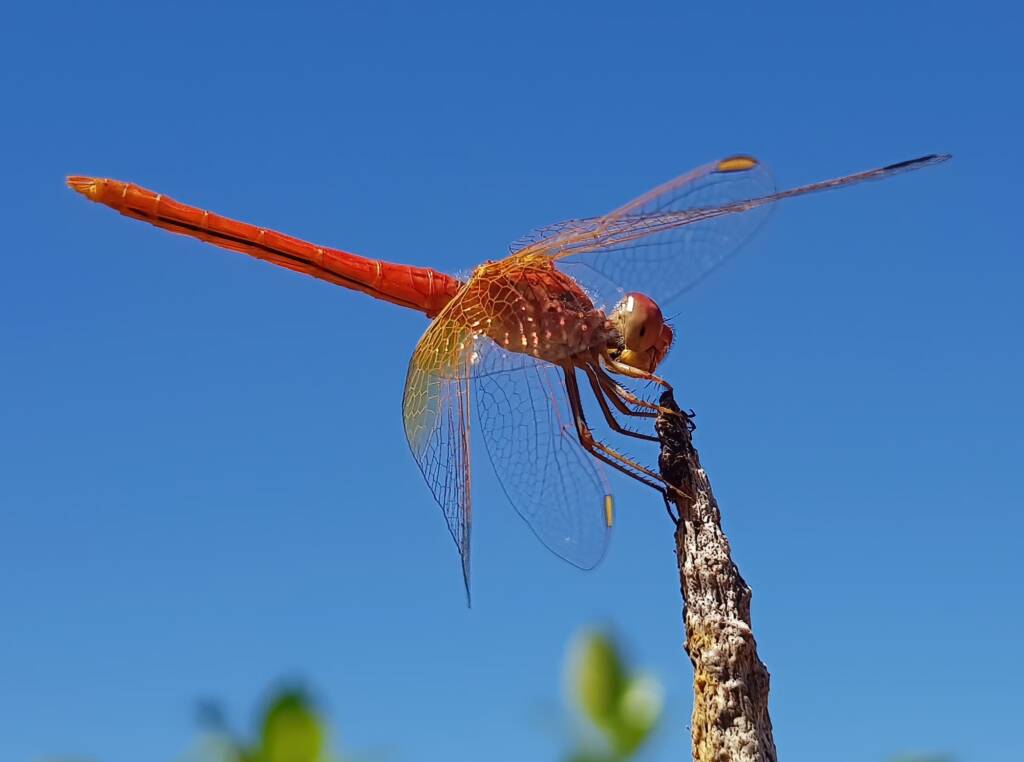
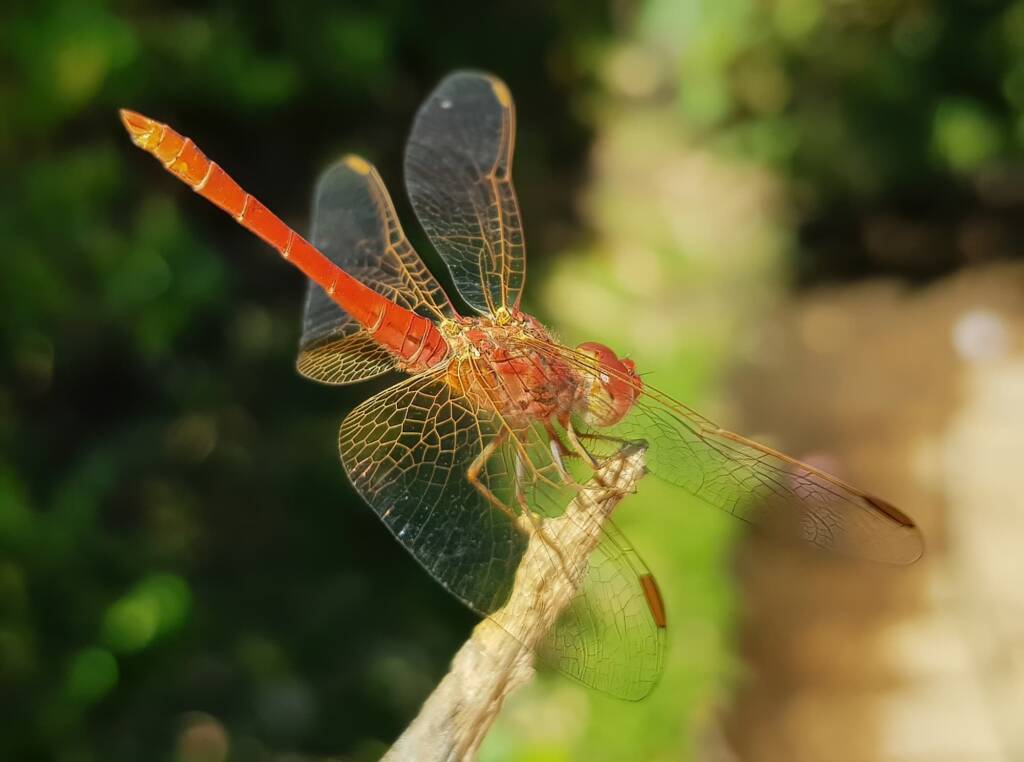
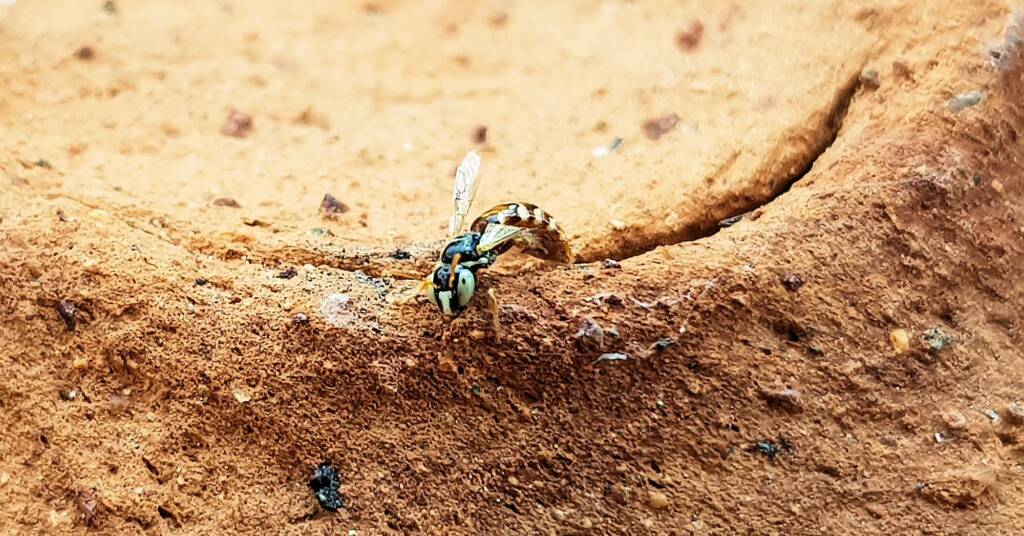
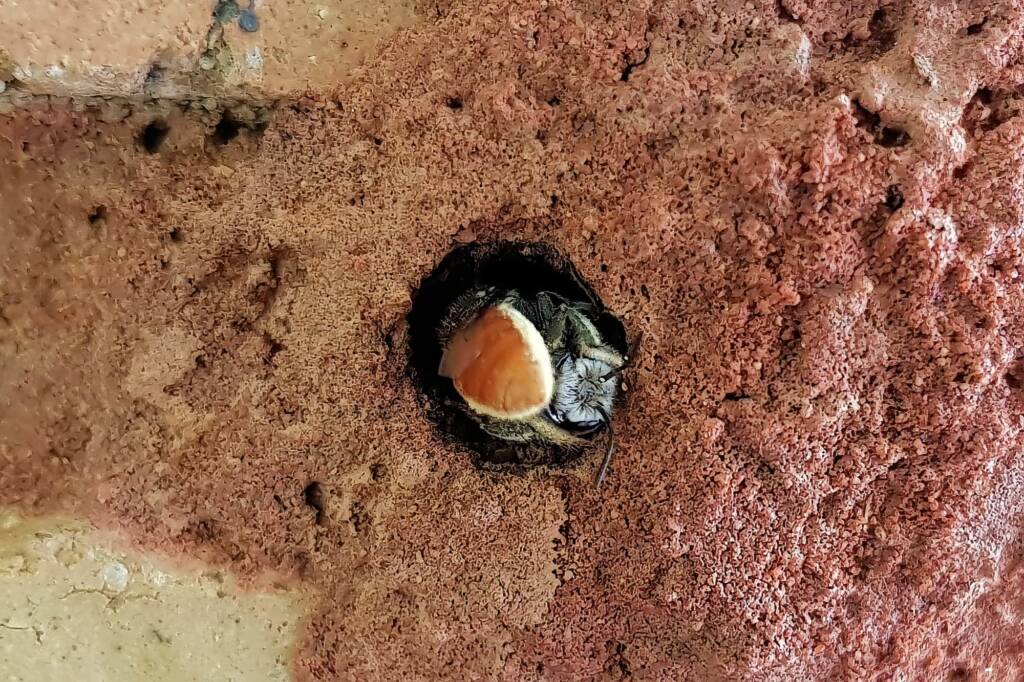
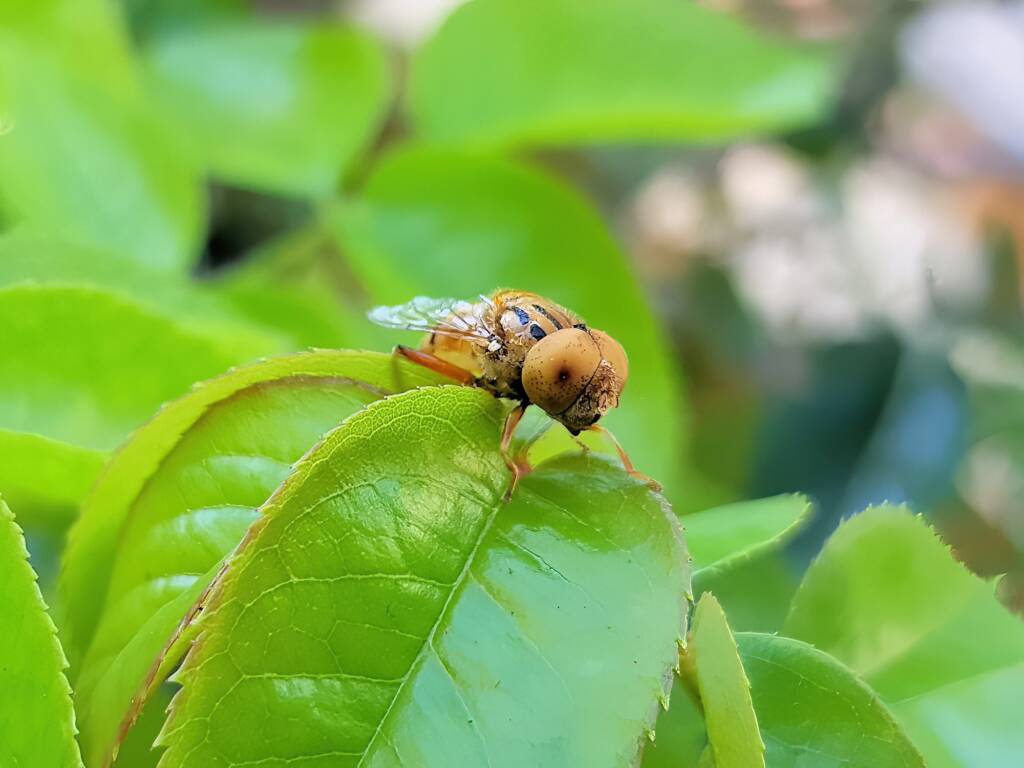
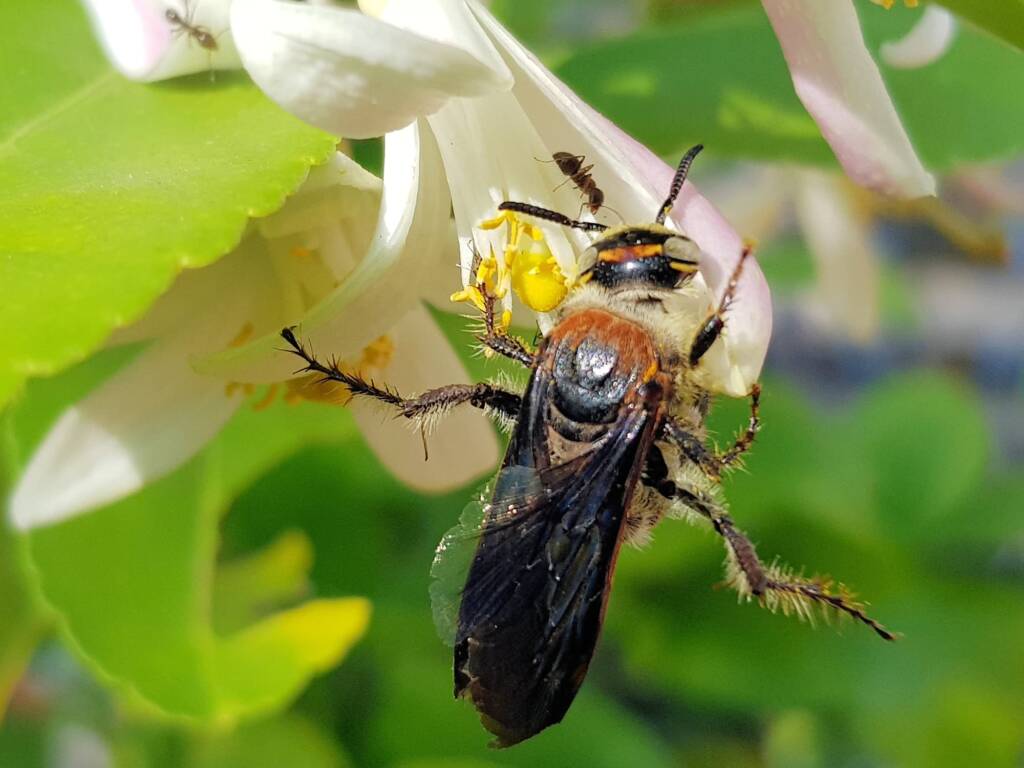
Just a quick look at other favourite photos…
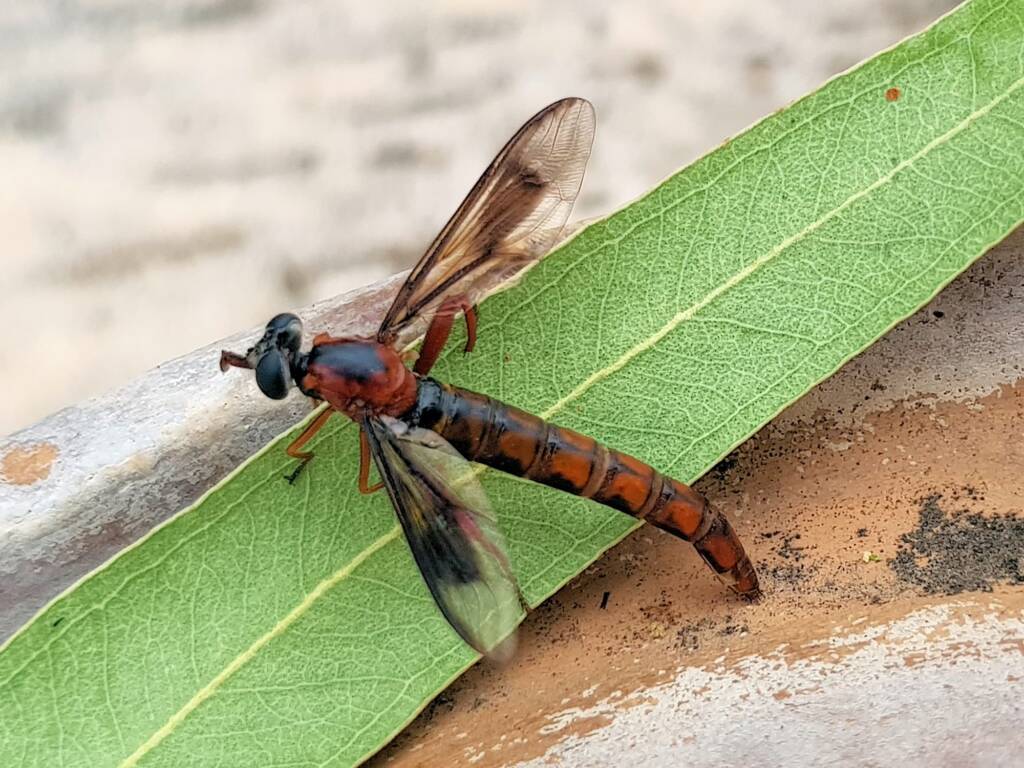
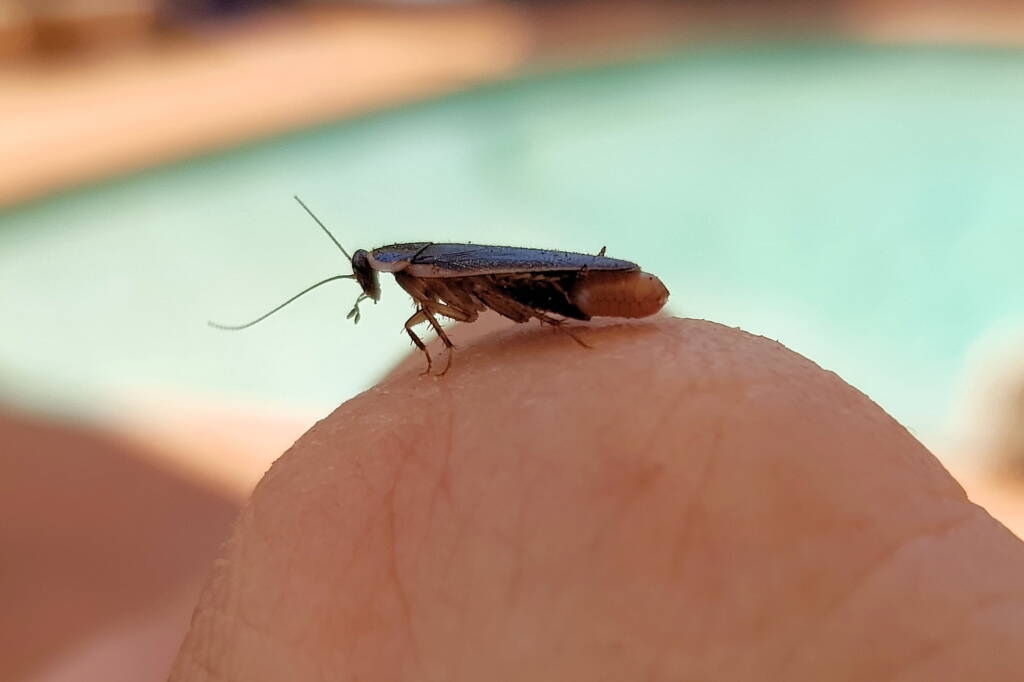
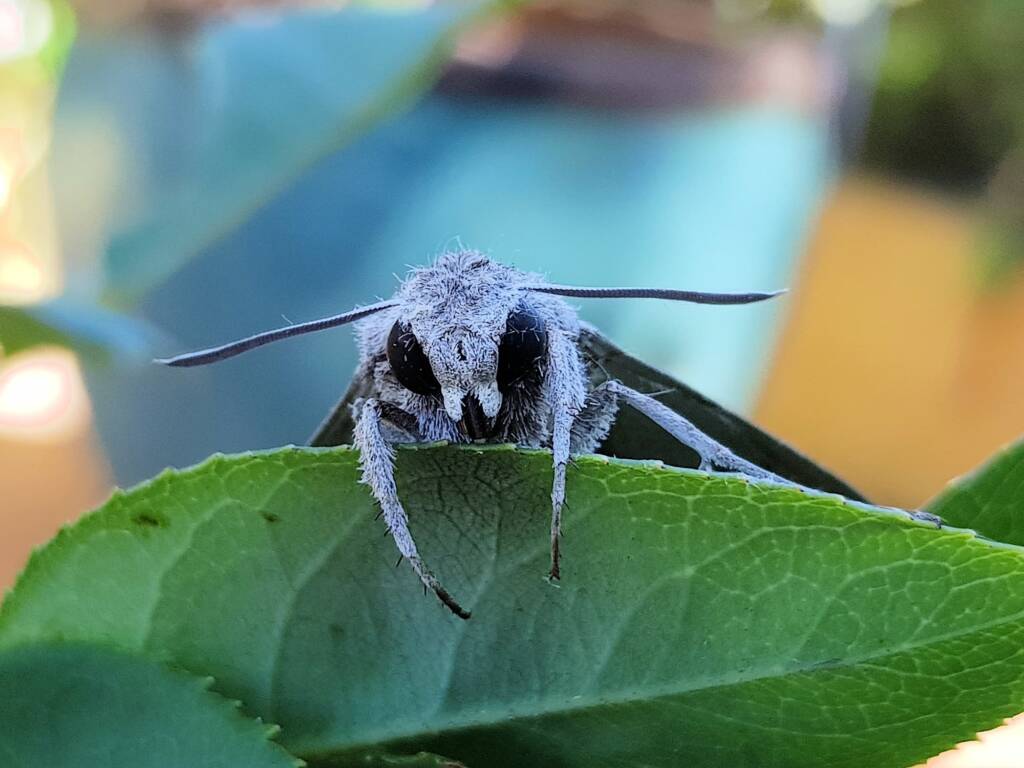
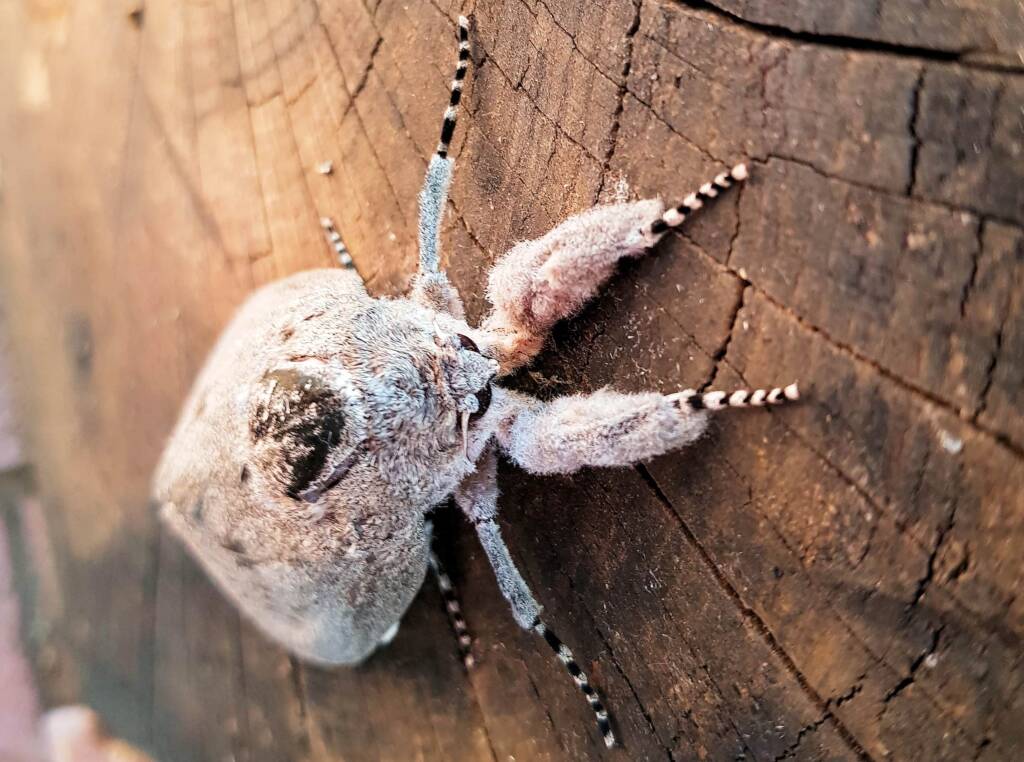
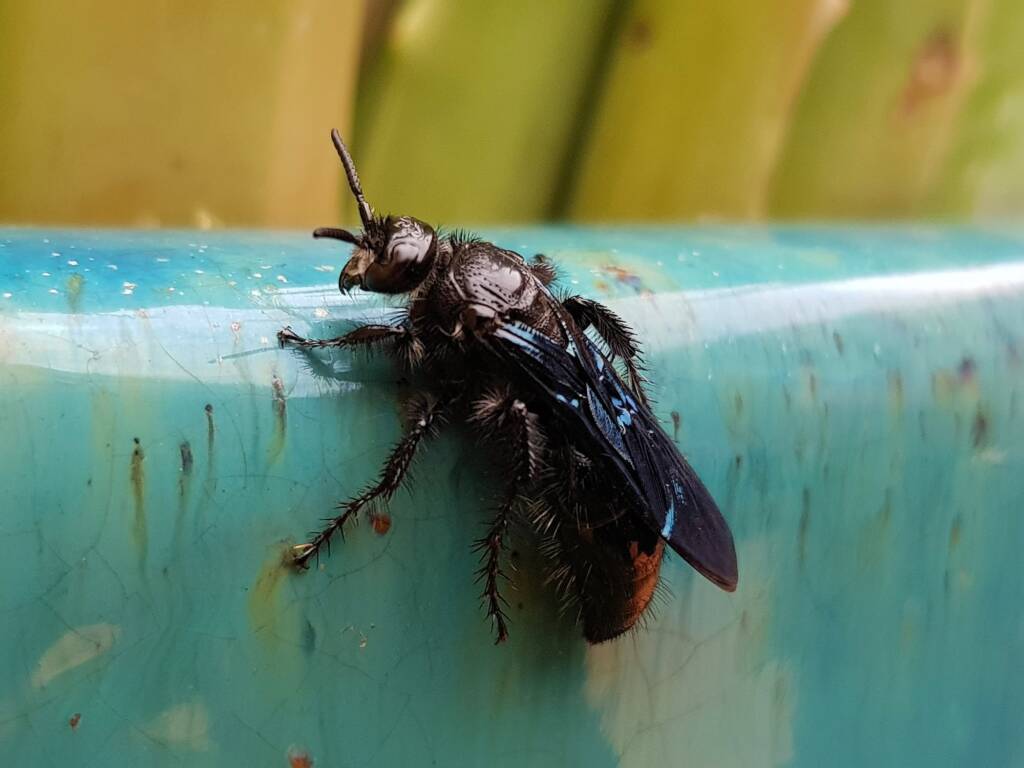
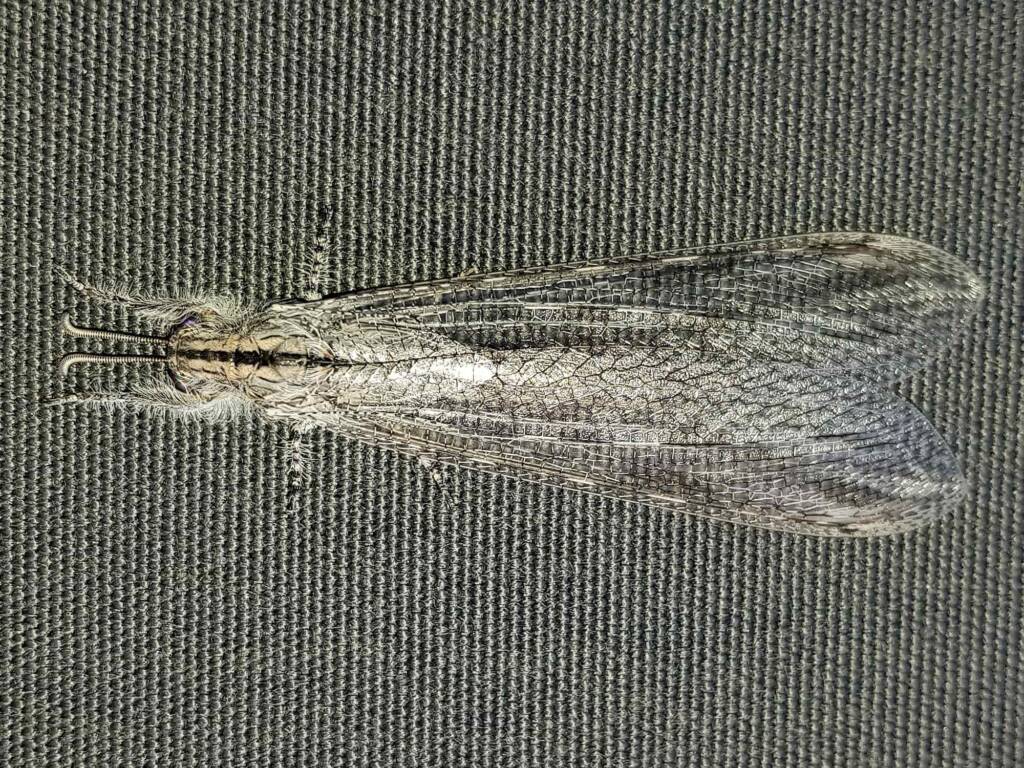
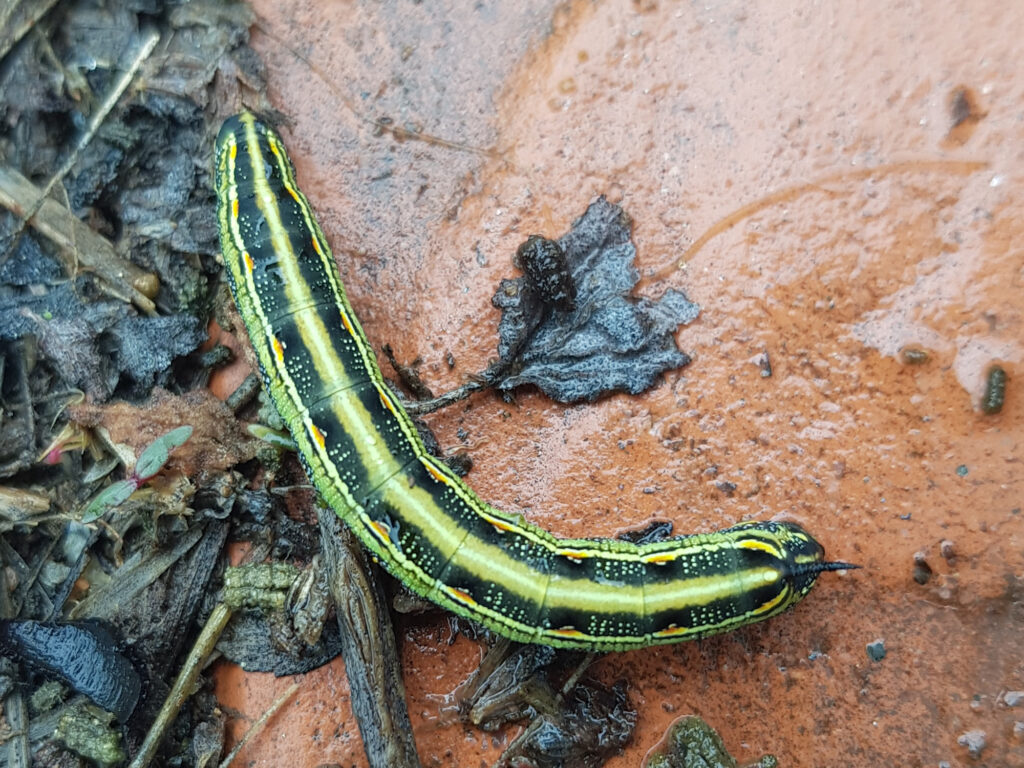
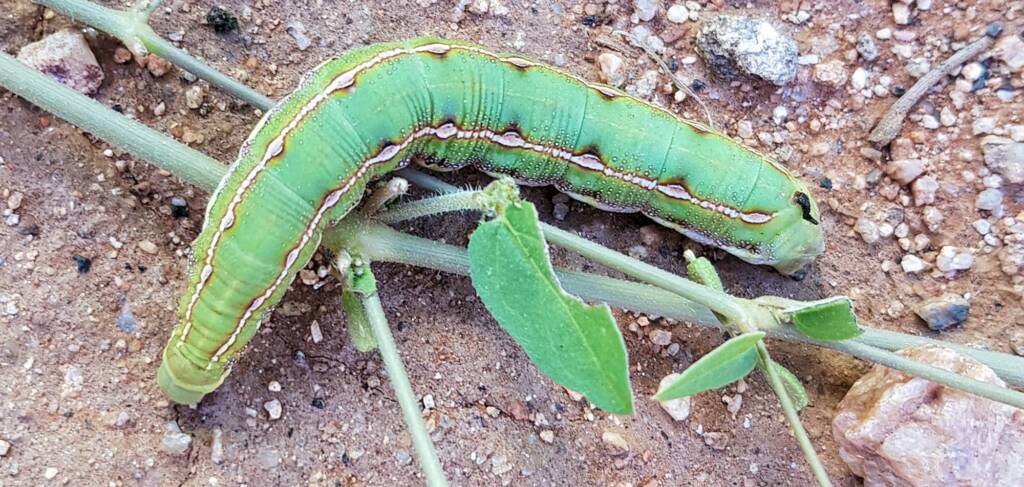
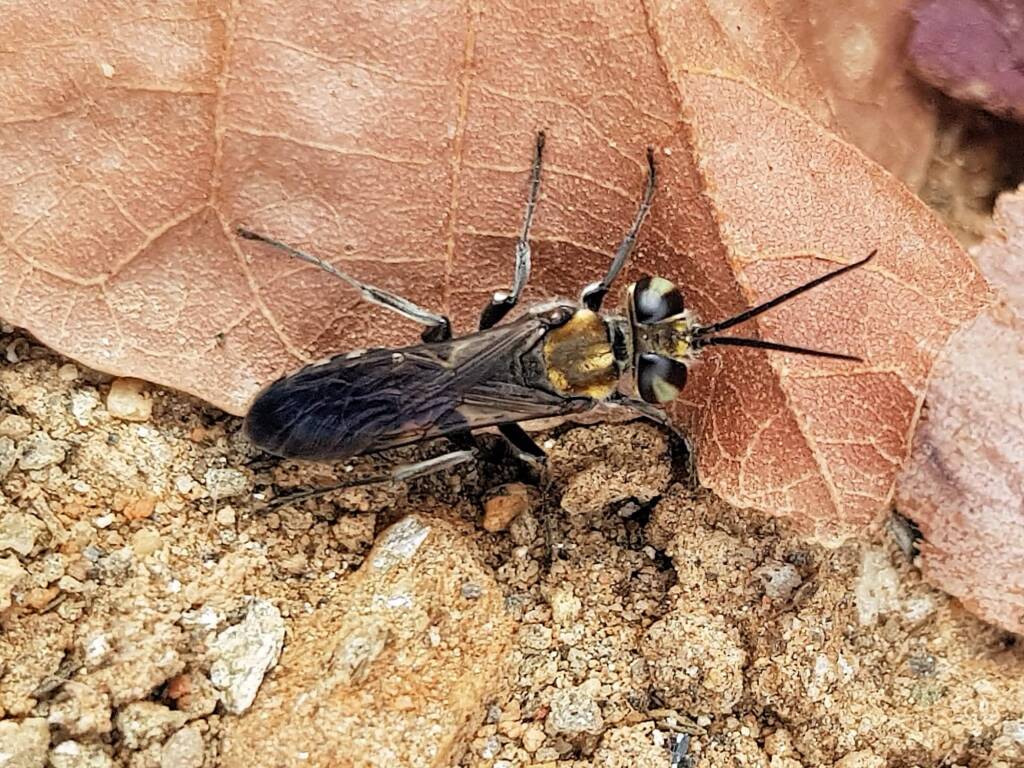
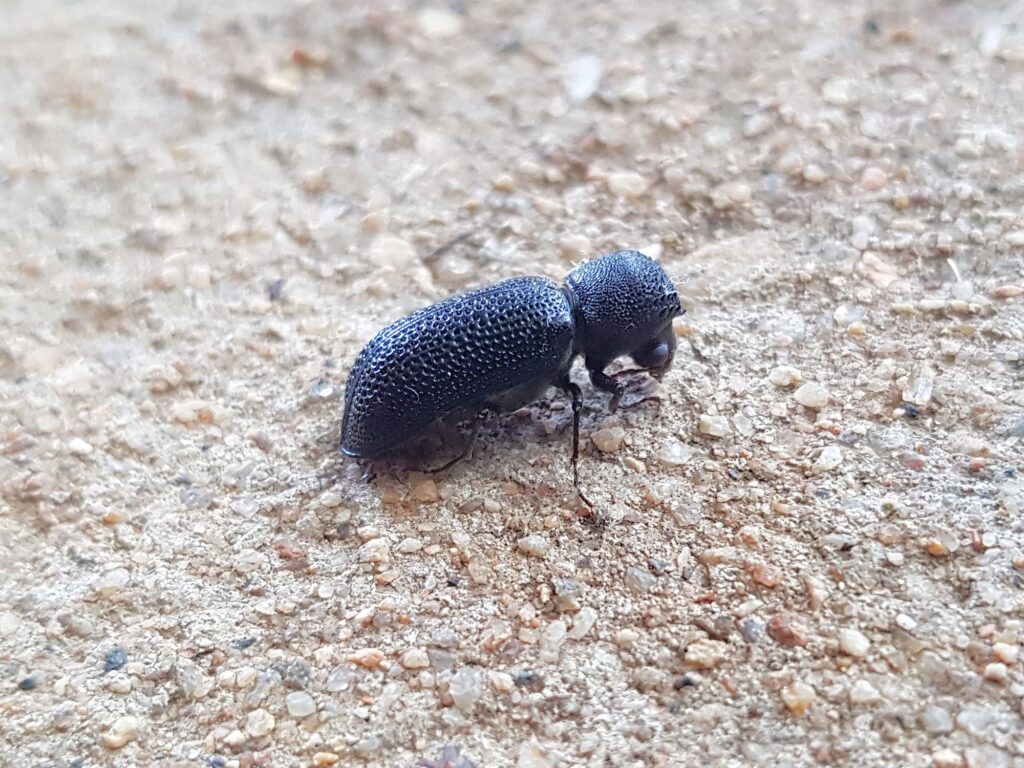
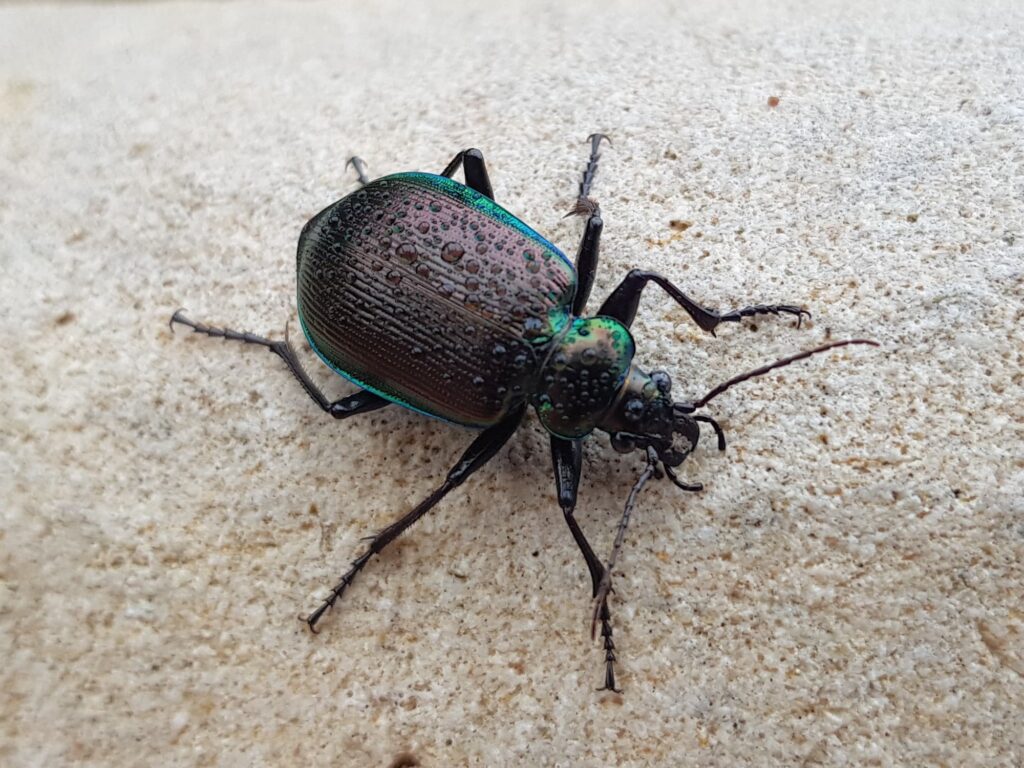
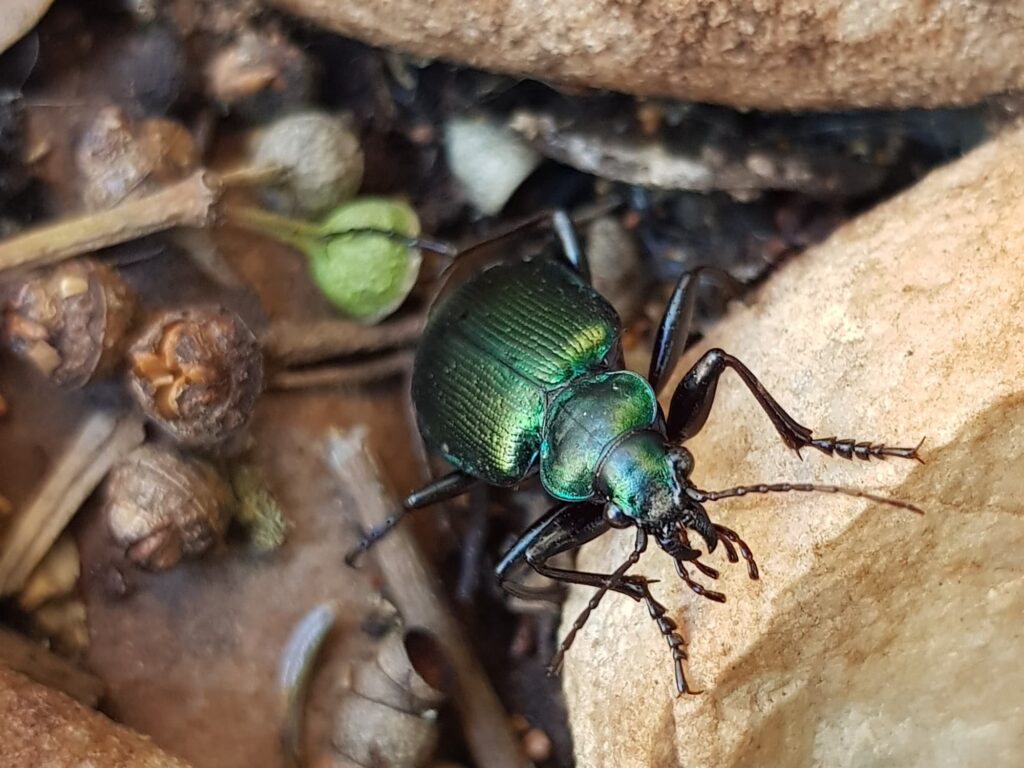
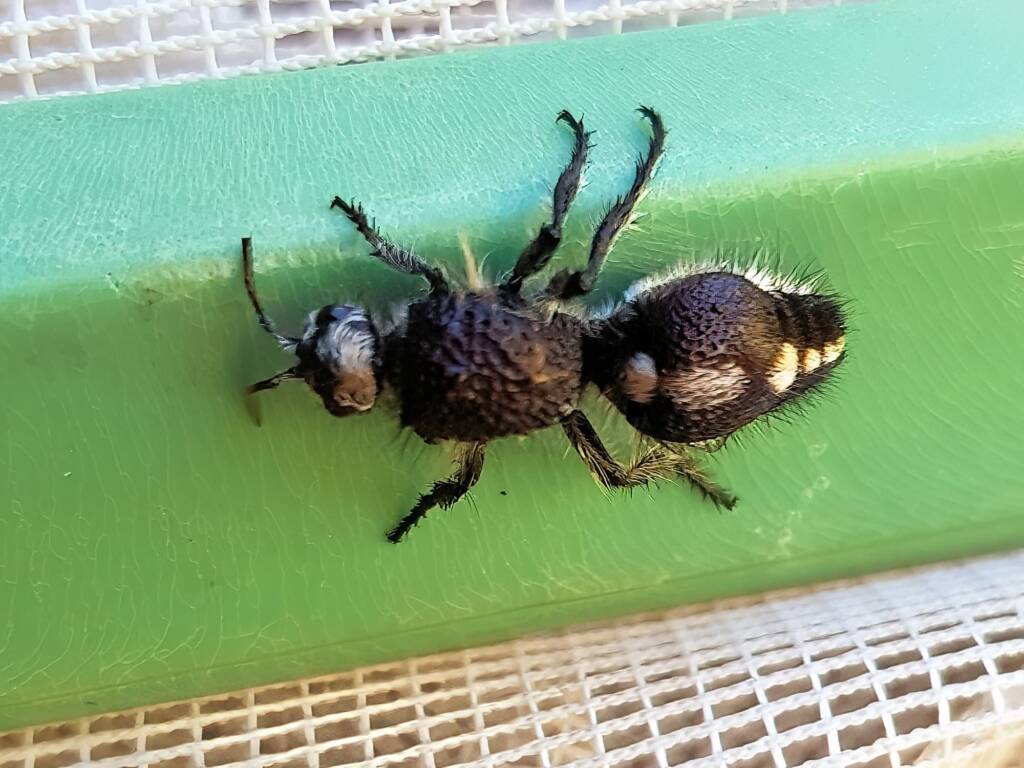
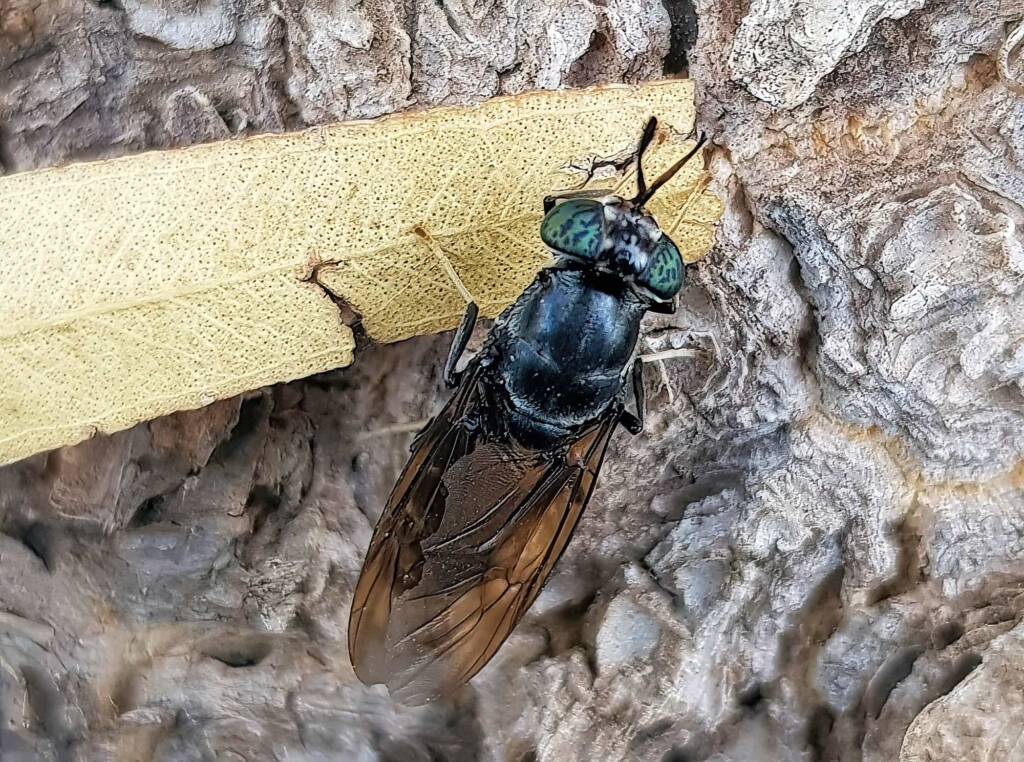
Well that is it… I have to stop now, as I could keep on going. There are many other favourite insect encounters, so check back as I am sure to add some more favourites to this list…
| DONATIONS We at Ausemade are passionate about the content. If you love our website, we welcome any donations to assist us in covering the costs that includes hosting, support and much more… click here to go to our Donations page. |