Author Koh Lin ◦
My Orthopteroid journey… from Cricket to Toadhopper.
The common names of crickets, grasshoppers, locusts and toadhopper describe a range of species (among others) in the order Orthoptera.
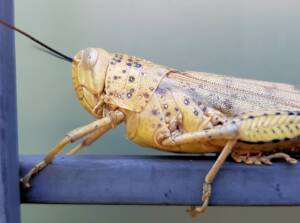
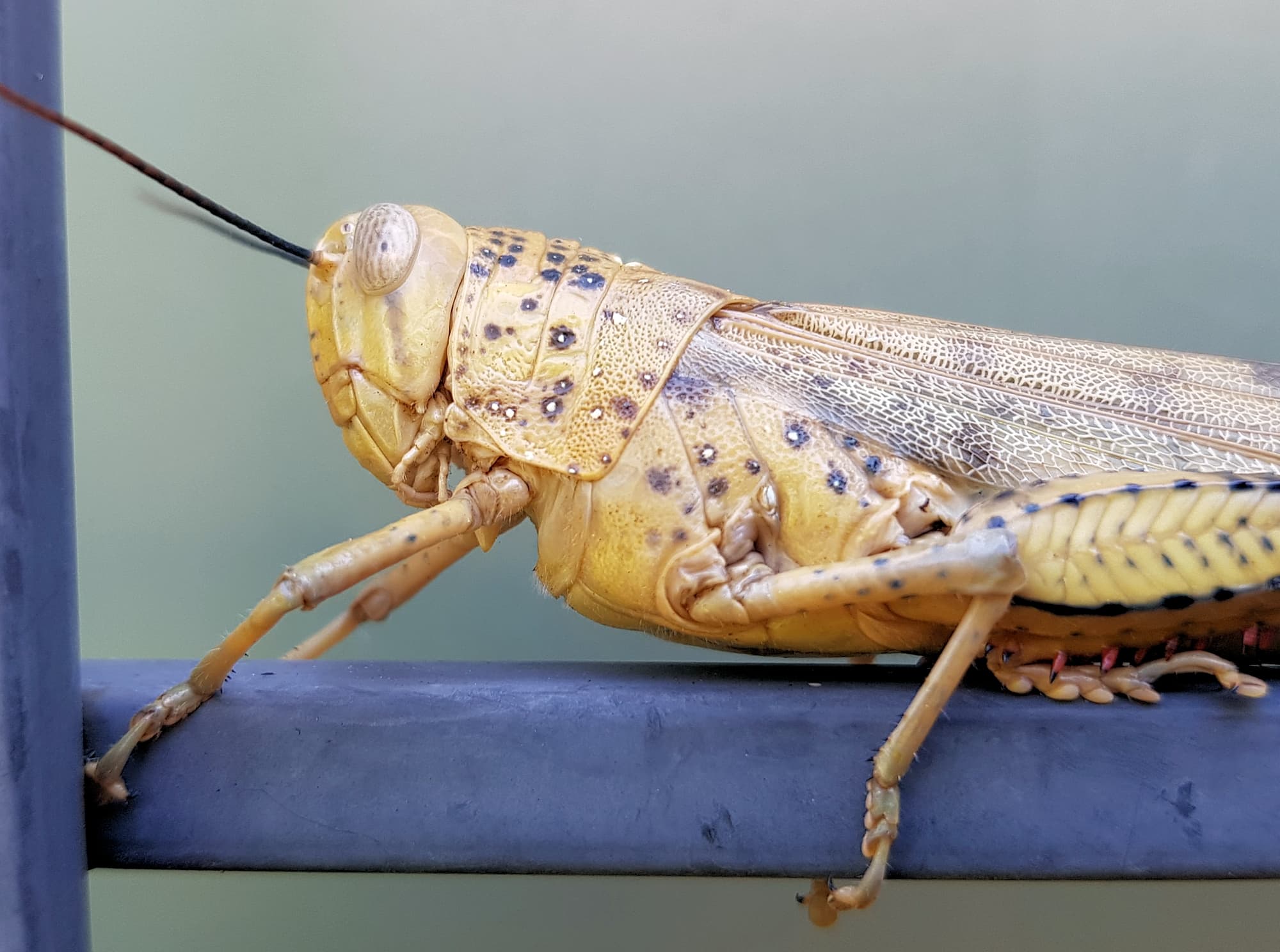
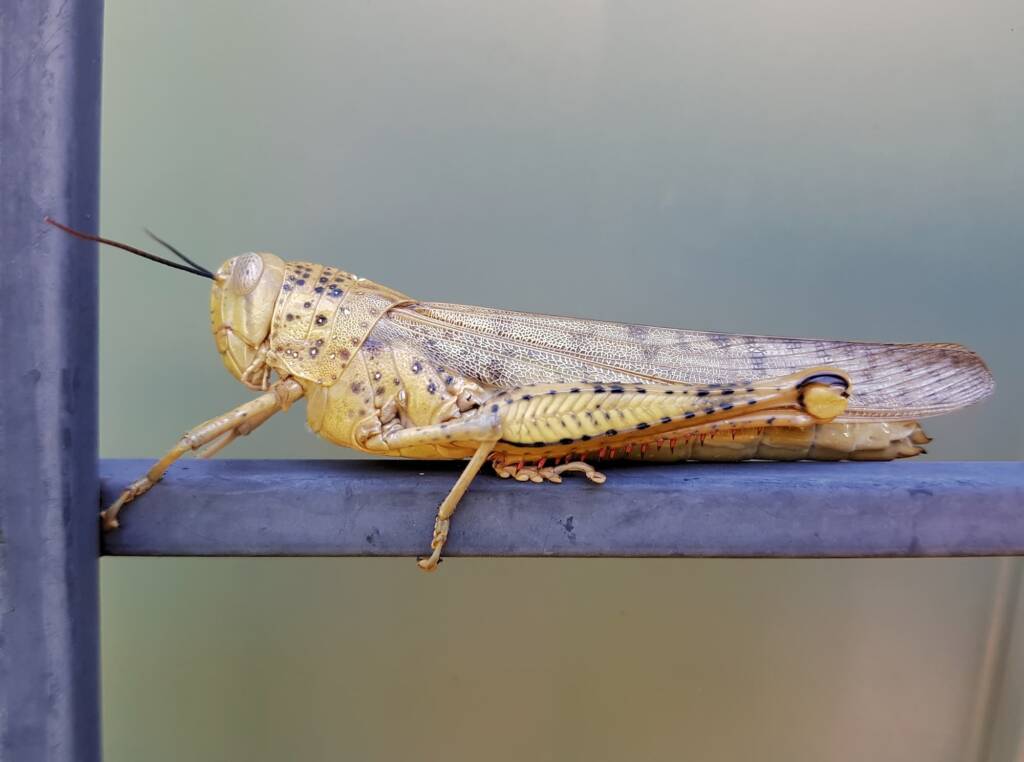
Most of us would have grown up aware of crickets, grasshoppers and locusts… and just in case you did not know, locusts are actually grasshoppers that have developed gregarious behaviours, brought about by optimum environmental conditions. Crickets however are not grasshoppers and have a number of differences, including:
- Crickets have much longer antennae to that of grasshoppers.
- Grasshoppers use their legs to make noise (as well as to jump), while crickets use their wings to chirp.
- Grasshoppers are usually seen during the day, whilst crickets are nocturnal.
There are other less obvious differences, such as the location of their tympanal organs (ie ears), which are located on the abdomen near the thorax in grasshoppers, whilst in crickets are on the forelegs.
Katydids are predominantly nocturnal insects that are related to the grasshopper and cricket, and are known for their leaf-like camouflage, long antennae and the unique sounds made by the male katydids, with the specialized sound-producing organs on their forewings.
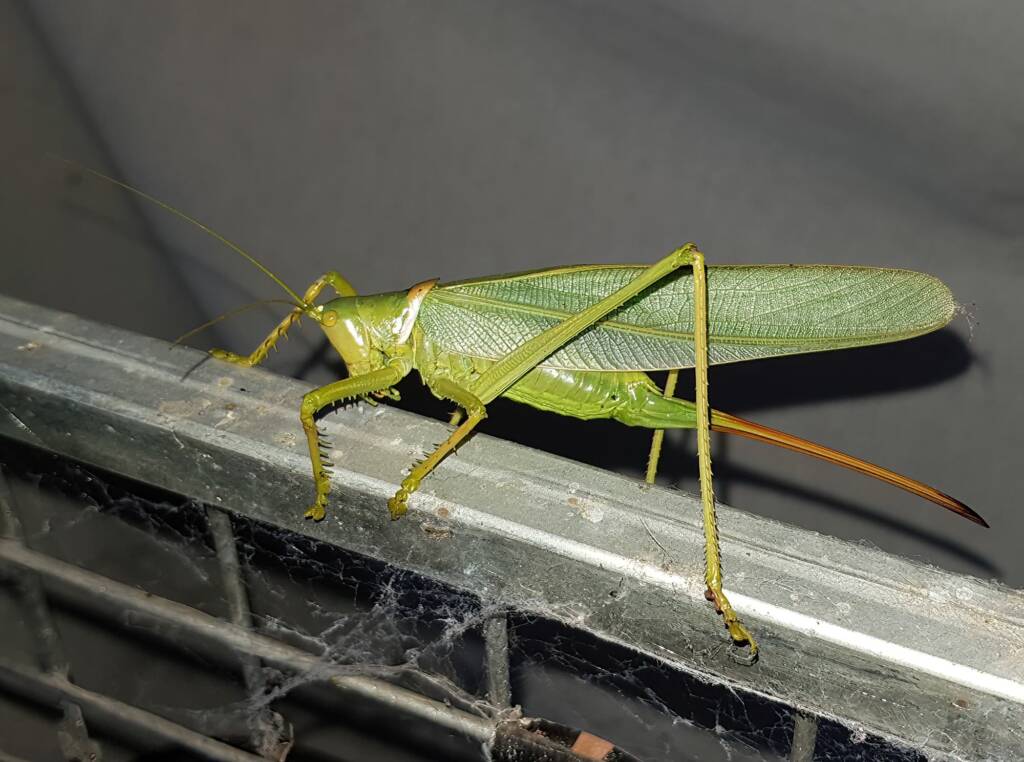


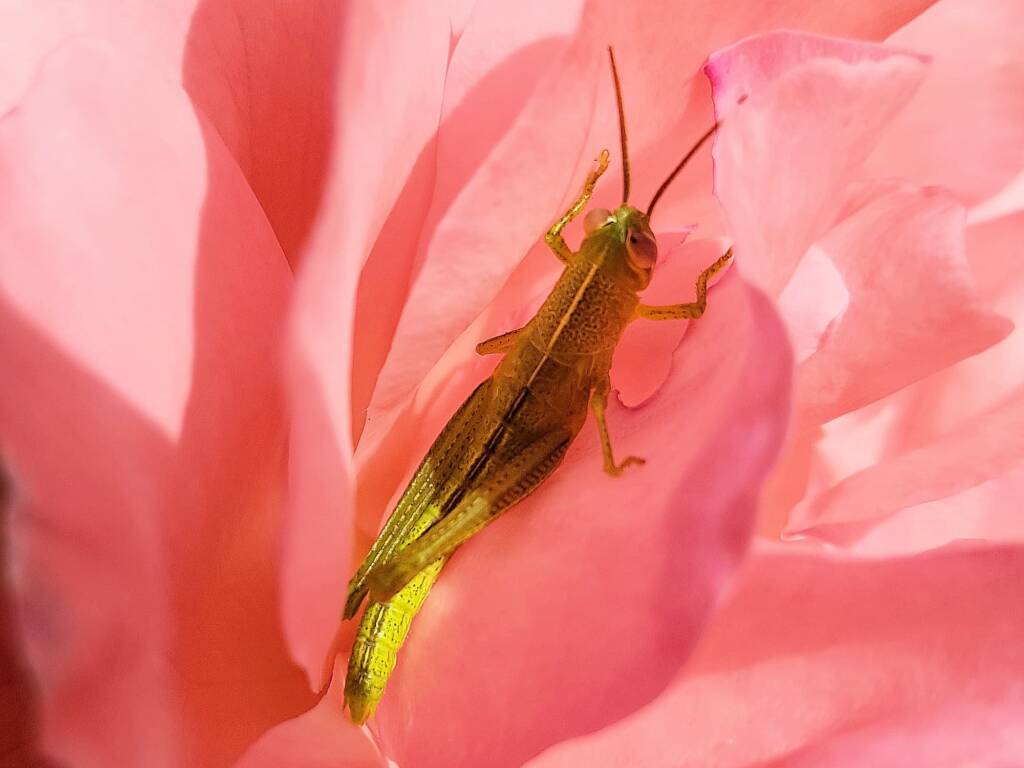

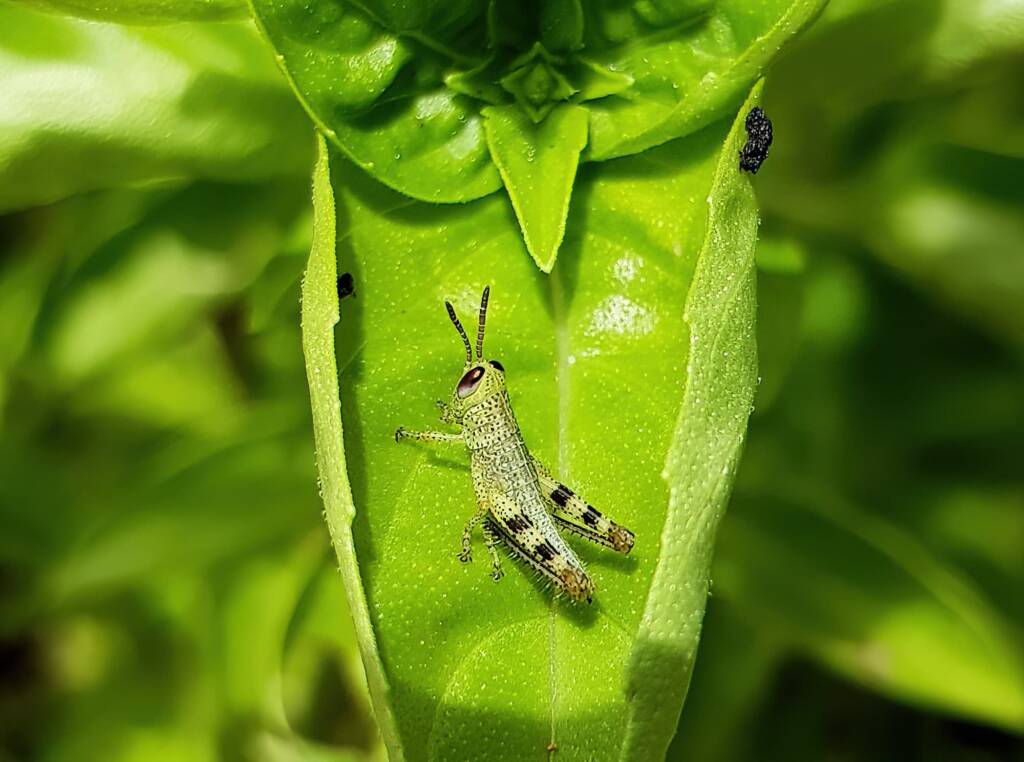
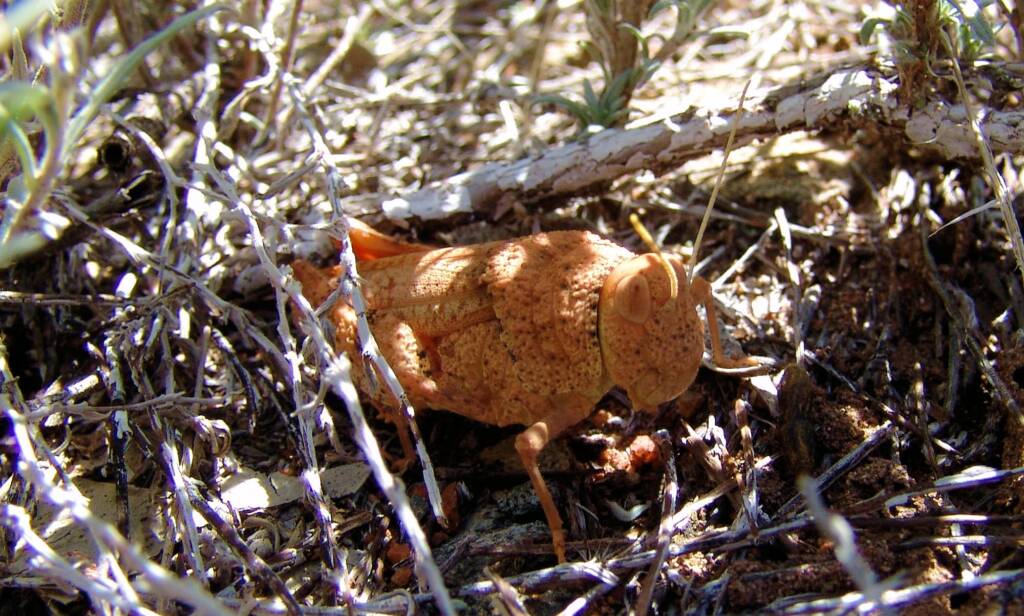
Garden Mantis, Grasshoppers and Locusts, Grasshoppers Katydids (family Tettigoniidae), Psedna nana (Variable Psedna Grasshopper), Toadhopper (Buforania crassa)

Check out our section on Orthoptera